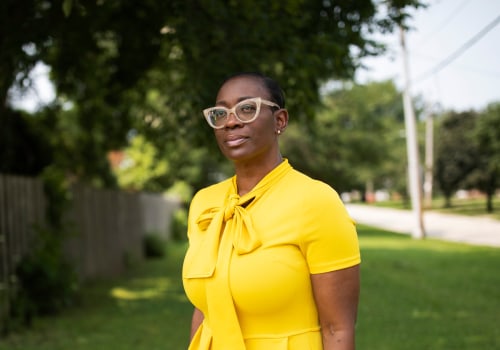
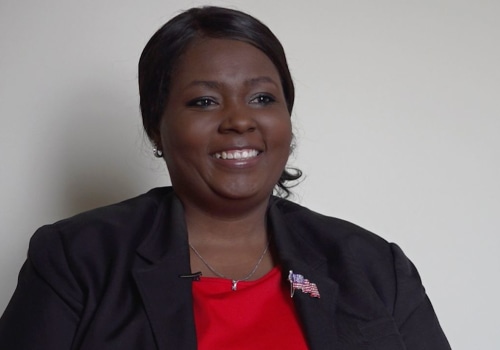
Northeast Ohio stands as a significant player in the political arena, characterized by a rich tapestry of candidates who bring diverse backgrounds and experiences to the forefront. The region, encompassing cities like Cleveland, Akron, and Youngstown, has long been a microcosm of American political dynamics, where local issues intersect with broader national trends. Understanding the profiles of political candidates in Northeast Ohio is essential for voters who wish to make informed choices at the ballot box. The candidates' experiences not only shape their platforms but also influence how they connect with constituents on pressing matters.The political landscape here is marked by a blend of seasoned politicians and emerging leaders, each contributing unique perspectives that reflect the community's needs and aspirations.
As voters navigate this complex environment, they must consider how a candidate's background—whether rooted in public service, business, or grassroots activism—affects their ability to govern effectively. This understanding is crucial, as it can significantly impact voter perception and ultimately sway election outcomes.Moreover, the interplay between candidate experience and voter expectations creates a dynamic political climate. Voters often seek representatives who not only resonate with their values but also possess the skills necessary to address local challenges. As we delve deeper into the profiles of these candidates, we will uncover how their experiences shape their approaches to governance and policy-making.
This exploration will provide valuable insights into the evolving political landscape of Northeast Ohio and highlight the importance of informed voting in shaping the future of the region.
The Political Landscape of Northeast Ohio
Northeast Ohio is a region rich in political history and diversity, characterized by a complex interplay of party dynamics and shifting voter demographics. Major cities such as Cleveland , Akron , and Youngstown serve as focal points for political activity, each contributing unique perspectives and challenges to the broader political landscape.The political affiliations in Northeast Ohio reflect a microcosm of national trends, with both the Democratic and Republican parties vying for influence. Historically, urban areas like Cleveland have leaned Democratic, benefiting from strong support from labor unions and minority communities. This trend is evident in local elections where candidates often prioritize issues such as social justice, healthcare access, and education reform.Conversely, suburban regions have seen a notable rise in Republican representation, particularly in areas surrounding Cleveland.Candidates in these suburbs frequently focus on economic growth, public safety, and tax reform, appealing to voters who prioritize fiscal responsibility and community safety. This duality creates a dynamic political environment where candidates must navigate diverse voter concerns to gain traction.Recent elections have underscored the importance of grassroots movements and community engagement. Candidates are increasingly recognizing that connecting with constituents on a personal level is essential for success. Issues such as infrastructure development, job creation, and environmental sustainability have emerged as key topics that resonate with voters across party lines.The demographic shifts in Northeast Ohio also play a critical role in shaping the political landscape.
As younger voters become more active participants in the electoral process, their preferences often lean towards candidates who advocate for progressive policies. This generational shift is prompting established politicians to adapt their platforms to address the concerns of a more diverse electorate.In summary, understanding the political landscape of Northeast Ohio requires an appreciation of its unique blend of urban and suburban dynamics, party affiliations, and evolving voter demographics. As local elections approach, candidates must be attuned to these factors to effectively engage with their constituents and address the pressing issues facing their communities.
Diversity of Political Candidates
The political landscape in Northeast Ohio is enriched by a remarkable diversity of candidates, each bringing unique perspectives shaped by their varied backgrounds. This diversity is not only a reflection of the region's demographic makeup but also a crucial element that influences political discourse and decision-making.Political candidates in this area come from a wide array of professional experiences, which significantly contribute to their qualifications.These backgrounds can be categorized into several key areas:
- Public Service: Many candidates have roots in public service, having held positions in local government or community organizations. This experience often equips them with a deep understanding of the challenges faced by constituents and the intricacies of governance.
- Business Sector: A number of candidates hail from the business world, bringing with them skills in management, finance, and strategic planning. Their experience in the private sector can offer valuable insights into economic development and job creation, which are critical issues for voters.
- Education: Educators and administrators often enter politics with a strong commitment to improving educational systems. Their firsthand knowledge of the challenges within schools allows them to advocate effectively for policies that enhance educational opportunities for all students.
- Grassroots Activism: Some candidates emerge from grassroots movements, having dedicated their efforts to community organizing and advocacy.
This background fosters a strong connection with local issues and a commitment to representing the voices of marginalized communities.
This educational foundation can be pivotal in shaping informed and effective governance.In conclusion, the diversity among political candidates in Northeast Ohio is a vital asset that contributes to a more inclusive and representative political environment. As voters engage with these candidates during elections, understanding their varied backgrounds can help illuminate how their experiences shape their platforms and priorities.
Average Years of Experience Among Political Candidates
Understanding the average years of experience among political candidates in Northeast Ohio is essential for grasping the dynamics of the region's electoral landscape. Recent studies indicate that candidates in this area typically possess between 10 to 15 years of experience in various roles related to public service, community engagement, or political office. This experience is not only a reflection of their qualifications but also a significant factor influencing their effectiveness and appeal to voters.According to data from the Ohio Political Research Institute, the breakdown of experience among candidates reveals several key trends:- Local Government Positions: Many candidates begin their political journeys in local government roles, such as city council members or mayors.
These positions often account for approximately 3 to 5 years of experience, providing candidates with firsthand knowledge of municipal operations and constituent needs.
- State-Level Involvement: A considerable number of candidates transition to state-level positions, such as state representatives or senators. This shift can add another 5 to 10 years to their professional backgrounds, equipping them with a deeper understanding of legislative processes and statewide issues.
- Community Organizations: Engagement with non-profits and community organizations also contributes significantly to a candidate's experience. This involvement often provides essential skills in leadership, advocacy, and grassroots mobilization.
Some may have started in grassroots activism before moving into formal political roles, while others might have built their careers within established political frameworks. This diversity enriches the political dialogue in Northeast Ohio and reflects a broad spectrum of perspectives among candidates.In conclusion, the average years of experience among political candidates in Northeast Ohio not only highlight their qualifications but also underscore the importance of seasoned leadership in addressing local issues effectively. As voters consider their options, understanding these statistics can aid in making informed decisions at the polls.
Factors Influencing Candidate Experience Levels
Understanding the experience levels of political candidates in Northeast Ohio requires a closer look at several critical factors that shape their qualifications and readiness for public office. These factors include educational background, previous roles in politics, and community involvement, each contributing uniquely to a candidate's overall profile.Educational Background
The educational qualifications of candidates are often a significant determinant of their experience.Many successful political candidates in Northeast Ohio hold degrees in fields such as political science , law , or public administration. This formal education equips them with essential knowledge about governance, policy-making, and the intricacies of political systems. Furthermore, candidates who pursue advanced degrees or specialized training often bring a deeper understanding of complex issues, which can be a decisive factor in their campaigns.
Previous Political Roles
Another critical aspect influencing the experience of political candidates is their history of previous roles within the political landscape. Candidates who have served in local government positions, such as city council members or mayors, typically possess a wealth of practical experience that can be invaluable when addressing constituents' needs.Additionally, those who have held roles in state legislatures or have been involved in political organizations often have a network of contacts and a better grasp of the legislative process, enhancing their effectiveness once elected.
Community Involvement
Active participation in local organizations, non-profits, or grassroots movements is also vital for shaping the experience levels of political candidates. This community engagement allows candidates to connect with their constituents on a personal level, helping them understand the challenges faced by their communities. Candidates who are well-known and respected within their communities often find it easier to gain support during elections. Their involvement not only demonstrates commitment to public service but also builds trust among voters.In summary, the experience levels of political candidates in Northeast Ohio are shaped by a combination of educational achievements, prior political roles, and active community involvement.These factors collectively contribute to a candidate's ability to effectively represent and serve their constituents, making it essential for voters to consider these elements when evaluating potential leaders.
Comparative Analysis: Northeast Ohio vs. Other Regions
When analyzing the experience levels of political candidates in Northeast Ohio, it is essential to place this data within a broader context by comparing it to candidates from other regions. This comparative analysis not only sheds light on the unique characteristics of Northeast Ohio's political landscape but also reveals significant trends that may influence electoral outcomes across the United States.Experience Levels in Northeast Ohio
In Northeast Ohio, political candidates typically possess an average of 10 to 15 years of experience in various roles related to public service, community engagement, or political office. This extensive background often includes:
- Local Government Roles: Many candidates begin their careers in local government positions, such as city council members or mayors, which can contribute 3 to 5 years of experience.
- State-Level Positions: A significant number transition to state-level roles, such as state representatives or senators, adding another 5 to 10 years to their resumes.
- Community Engagement: Involvement with non-profits and community organizations further enriches their experience, providing essential skills in leadership and advocacy.
Comparison with Other Regions
In contrast, candidates from other regions exhibit varying levels of experience that reflect their local political cultures and priorities.
For instance:
- Midwest Candidates: On average, these candidates possess around 8 to 12 years of experience, often emphasizing grassroots movements and community organizing.
- Southern Candidates: Typically, they have 5 to 10 years of experience, frequently highlighting backgrounds in business and economic development.
- West Coast Candidates: Experience levels can range from 7 to 15 years, with many candidates showcasing involvement in the tech industry and progressive policy initiatives.
Trends in Candidate Experience
The trend regarding candidate experience is evolving across the United States. While many regions are witnessing an influx of younger candidates with less traditional backgrounds, Northeast Ohio remains relatively stable in its preference for seasoned politicians. This inclination may reflect a desire for stability and proven leadership during times of rapid change.Ultimately, understanding the average years of experience among political candidates in Northeast Ohio compared to other regions provides valuable insights into the political dynamics at play.
It highlights how local contexts shape candidate profiles and voter expectations, influencing election strategies and outcomes significantly.
Impact of Experience on Election Outcomes
The experience level of political candidates in Northeast Ohio significantly influences their electoral success, shaping not only voter perceptions but also the overall dynamics of election outcomes. As constituents evaluate candidates, they often weigh the candidates' backgrounds and experiences heavily, leading to a complex interplay between experience and voter trust.Voter Trust and Candidate Experience
Trust is a cornerstone of any electoral process, and candidates with extensive experience in public service or community engagement are often viewed as more reliable. Voters tend to associate a lengthy track record with competence and accountability. For instance, candidates who have previously held office or have been actively involved in local organizations are frequently perceived as having a better grasp of the issues that matter most to their constituents.Surveys conducted during recent election cycles in Northeast Ohio reveal that a significant portion of voters express a preference for candidates with prior political experience.
This preference stems from the belief that seasoned politicians are better equipped to navigate the complexities of governance and policy-making. In contrast, newcomers, despite potentially innovative ideas, may struggle to gain traction if they lack established credibility.
Impact on Campaign Strategies
Experience also plays a crucial role in shaping campaign strategies. Candidates with a robust background often leverage their networks and resources more effectively than those who are newer to the political scene. Experienced candidates typically have established relationships with key stakeholders, including community leaders, local organizations, and party affiliates.
This network can be instrumental in mobilizing support, securing endorsements, and facilitating fundraising efforts.Moreover, seasoned candidates are generally more adept at articulating their policy positions and past achievements. They can draw on their experiences to provide concrete examples of how they have successfully addressed similar issues in the past. This ability to connect personal history with current challenges resonates with voters seeking authenticity and proven leadership.
Analysis of Election Outcomes
An analysis of recent election outcomes in Northeast Ohio underscores the correlation between candidate experience and electoral success. Candidates boasting an average of 10 years or more in political roles tend to outperform their less experienced counterparts.
This trend is particularly pronounced in local races where familiarity with the electorate can be a decisive factor.In conclusion, the experience level of political candidates in Northeast Ohio is not merely a statistic; it is a vital element that shapes voter trust and influences election outcomes. As voters prepare for upcoming elections, understanding how experience impacts candidate viability can lead to more informed decisions at the polls.
Frequently Asked Questions About Political Candidates in Northeast Ohio
When it comes to understanding the landscape of political candidates in Northeast Ohio, several frequently asked questions arise. This section aims to clarify some of the most common inquiries regarding candidate qualifications and experience.What qualifications do political candidates in Northeast Ohio typically have?
Political candidates in this region often come from a variety of professional backgrounds, which can include:- Law: Many candidates possess law degrees, providing them with a strong foundation in legal principles and governance.
- Public Administration: Degrees in public administration equip candidates with knowledge about government operations and public policy.
- Business: Candidates with business backgrounds often bring practical experience in management and economic development.
- Education: Educators may run for office to advocate for educational reforms and community engagement.
How much experience do political candidates in Northeast Ohio usually possess?
The average political candidate in Northeast Ohio typically has between 5 to 20 years of relevant experience. This experience can encompass:- Previous Roles: Many candidates have served in local government positions, such as city council members or mayors, which provide practical insights into governance.
- Community Engagement: Involvement with local organizations or non-profits helps candidates understand the needs of their constituents.
- Political Campaigns: Experience in running or participating in campaigns can enhance a candidate's visibility and voter outreach capabilities.
Are there any specific requirements to run for office in Northeast Ohio?
Yes, candidates must meet certain criteria to qualify for running for office.These requirements typically include:
- Age: Candidates must be at least 18 years old, although some positions may require a higher minimum age.
- Residency: Candidates must be residents of the district they wish to represent.
- Party Affiliation: Some offices may require candidates to be affiliated with a specific political party.
- Signature Collection: Candidates often need to gather a specified number of signatures from registered voters to qualify for the ballot.
What are the common challenges faced by political candidates in this region?
Candidates in Northeast Ohio encounter various challenges during their campaigns, including:- Fundraising: Securing adequate funding is crucial for campaign visibility and outreach efforts.
- Name Recognition: Newcomers often struggle to gain recognition among voters compared to established politicians.
- Cultural Diversity: Understanding and addressing the diverse needs of constituents can be complex but is essential for effective campaigning.
Conclusion: The Importance of Experience in Political Candidates
In summary, the experience of political candidates in Northeast Ohio is a critical factor that shapes the region's political landscape and influences voter decisions. Throughout this article, we have examined various dimensions of candidate experience, including the average tenure, the diverse backgrounds from which these candidates emerge, and how their experiences inform their policy positions and governance styles.Understanding the average years of experience among candidates provides voters with essential insights into their qualifications. Candidates with extensive backgrounds often possess a deeper understanding of local issues, which is vital for effective representation.This familiarity not only enhances their ability to address constituents' concerns but also equips them to navigate the complexities of political processes more adeptly.Moreover, experienced candidates typically have established networks within the community and government, allowing them to advocate more effectively for policies that benefit their constituents. Their track record in public service or community engagement often signals reliability and competence, traits that voters highly value when making electoral choices.As we approach upcoming elections, it is imperative for voters to consider not just the platforms presented by candidates but also their backgrounds and experiences. Engaging with candidates' histories can illuminate how well-prepared they are to tackle pressing local issues and represent the interests of their communities.Ultimately, while passion and innovative ideas are important attributes for any political candidate, experience remains a key indicator of potential success in office. By prioritizing candidates with substantial experience, voters in Northeast Ohio can contribute to a more effective and responsive political environment that meets the needs of its diverse communities.