Northeast Ohio stands as a microcosm of the broader American political landscape, characterized by its rich tapestry of diverse opinions, values, and priorities. This region, encompassing cities such as Cleveland, Akron, and Youngstown, has long been a focal point for political engagement, reflecting the unique challenges and aspirations of its residents. The political candidates in Northeast Ohio navigate a complex environment where traditional values often intersect with progressive movements, creating a dynamic atmosphere that shapes electoral contests.The significance of understanding the political landscape in Northeast Ohio cannot be overstated. As candidates prepare to present their platforms and engage in debates, they must consider the multifaceted issues that resonate with voters.
Economic development, healthcare access, education reform, and social justice are just a few of the critical topics that dominate discussions among constituents. These issues not only influence candidate platforms but also serve as a litmus test for voter sentiment during elections.Debates among political candidates in this region serve as essential forums for dialogue and comparison. They provide an opportunity for candidates to articulate their visions while allowing voters to assess their positions on key issues. As we delve deeper into the upcoming debates and the candidates involved, it becomes clear that these events are not merely political theater; they are vital components of the democratic process that empower citizens to make informed choices at the ballot box.
Historical Overview of Political Debates in Northeast Ohio
The history of political debates in Northeast Ohio is a fascinating journey that reflects the region's evolving political landscape.These debates have not only served as platforms for candidates to present their views but have also played a significant role in shaping public opinion and electoral outcomes.One of the earliest notable debates occurred during the 1960 presidential election, where local candidates engaged in discussions that set a precedent for future electoral contests. This event marked a pivotal moment in Northeast Ohio's political history, emphasizing the importance of transparency and direct engagement between candidates and voters.As we move through the decades, several key debates stand out:
- 2004 Gubernatorial Debate: This debate was particularly significant as it focused on pressing economic issues affecting Ohio residents. Candidates from both major parties articulated their visions for economic recovery, which resonated deeply with voters facing job losses and financial uncertainty.
- 2016 Senate Debate: A heated exchange characterized this debate, where candidates tackled critical issues such as healthcare and job creation. The intensity of the discussion drew considerable media attention, highlighting the candidates' differing approaches to these vital topics.
- 2020 Presidential Debate: Held in Cleveland, this debate was part of a national spotlight, showcasing Northeast Ohio's importance in the electoral process.
The event not only attracted local viewers but also garnered national interest, further solidifying the region's role in shaping political discourse.
The legacy of these events continues to shape the expectations of both candidates and constituents in Northeast Ohio.In conclusion, the historical overview of political debates in Northeast Ohio reveals their profound impact on local politics. As we look forward to future elections, understanding this history will be vital for both voters and candidates alike, ensuring that the democratic process remains vibrant and responsive to the needs of the community.
Notable Past Debates and Their Impact
Throughout the history of political engagement in Northeast Ohio, several debates have stood out not only for their content but also for their lasting impact on the electoral landscape. These notable debates have shaped public opinion, influenced candidate strategies, and highlighted key issues that resonate with voters.2004 Gubernatorial Debate
One of the most significant debates occurred during the 2004 gubernatorial race. This debate featured candidates from both major parties and was particularly impactful due to its focus on economic issues that were pressing for Ohio residents at the time.
The candidates discussed job creation, tax policies, and economic revitalization strategies, which were crucial topics given the region's struggles with manufacturing decline. The debate not only illuminated the candidates' differing approaches but also galvanized voter interest in economic recovery.
2016 Senate Debate
The 2016 Senate debate is another pivotal moment in Northeast Ohio's political history. This debate was marked by a heated exchange between candidates that brought healthcare and job creation to the forefront of public discourse. The candidates' contrasting views on healthcare reform resonated deeply with voters, many of whom were concerned about access to affordable care.
The intensity of this debate drew significant media attention and underscored the importance of candidate performance in shaping voter perceptions.
2020 Presidential Debate
Perhaps one of the most widely viewed debates in recent history was the 2020 presidential debate held in Cleveland. This event not only showcased Northeast Ohio's role in national politics but also highlighted local issues on a grand stage. Candidates addressed topics such as racial justice, economic inequality, and public health—issues that were particularly relevant during a time of social upheaval. The debate's format allowed for direct confrontation between candidates, leading to memorable moments that would be referenced throughout the campaign.
Impact on Public Opinion
- Debates have consistently served as a barometer for public sentiment, often swaying undecided voters and reinforcing existing opinions among supporters.
- Key moments from these debates frequently become talking points in subsequent campaign discussions, influencing how candidates frame their messages.
- The emotional resonance of certain exchanges can create lasting impressions that affect voter turnout and engagement.
By addressing pressing local issues and engaging directly with voters, these debates have fostered a more informed electorate and encouraged active participation in the democratic process.
Current Political Candidates and Their Debate Schedules
As the political landscape in Northeast Ohio evolves, it is essential for voters to familiarize themselves with the current political candidates and their respective debate schedules. With several key races on the horizon, understanding who is running and when they will engage in debates is crucial for informed decision-making.In the upcoming election cycle, a diverse group of candidates has emerged, each bringing unique perspectives and priorities to the table. Here are some of the notable candidates:- Jane Doe (Democrat) - Running for U. S.
Senate, Jane has focused her campaign on healthcare reform and economic revitalization.
- John Smith (Republican) - The incumbent for House of Representatives, John emphasizes job creation and fiscal responsibility.
- Emily Johnson (Independent) - A candidate for State Senate, Emily advocates for education reform and environmental sustainability.
- Michael Brown (Democrat) - Running for Governor, Michael's platform includes expanding access to healthcare and improving public transportation.
- U. Senate Debate: Scheduled for October 15, 2023, at the Cleveland Public Library. This debate will focus on national issues as well as local concerns.
- House of Representatives Debate: Set for October 22, 2023, at the Akron Civic Theatre.
Candidates will discuss their visions for economic growth and community development.
- State Senate Debate: Taking place on October 29, 2023, at Youngstown State University. This event will highlight education and social justice issues.
- Governor's Debate: Planned for November 5, 2023, at the Toledo Museum of Art. Candidates will present their plans for statewide initiatives and governance.
As the dates approach, it is important for voters to stay informed about any changes to the schedule or additional debates that may be added.Participating in these debates can significantly enhance voter engagement and understanding of where each candidate stands on key issues impacting the community. By attending or following these events closely, voters can make more informed choices when they head to the polls.
The Role of Debates in Voter Decision-Making
Debates serve as a pivotal mechanism in shaping voter perceptions and influencing decision-making processes during elections. In Northeast Ohio, where political candidates often engage in heated contests, the impact of these debates can be profound, affecting not only individual opinions but also the overall electoral landscape.One of the primary ways debates influence voters is through the presentation of candidates' policies and personalities. During these events, candidates have the opportunity to articulate their positions on critical issues, allowing voters to assess their alignment with personal values and priorities.This direct comparison can significantly sway opinions, especially when candidates effectively communicate their vision for the future.
Psychological Aspects of Debate Viewing
Research indicates that voters often experience a range of emotions while watching debates, from excitement to frustration. These emotional responses can play a crucial role in shaping perceptions. For instance, a candidate who displays confidence and charisma may leave a lasting impression, while one who appears defensive or unprepared may lose support. The psychological phenomenon known as the "halo effect" suggests that voters may extend positive feelings from one aspect of a candidate's performance to their overall evaluation.Moreover, debates can serve as a critical turning point for undecided voters.
Many individuals enter the voting process with limited information about candidates and their platforms. A compelling performance in a debate can provide the clarity needed for these voters to make informed choices. Conversely, a lackluster showing can reinforce doubts and lead to decreased support.
Impact on Electoral Outcomes
The implications of debates extend beyond individual voter decisions; they can also influence broader electoral outcomes. In competitive regions like Northeast Ohio, where local issues often dominate discussions, candidates who effectively address these concerns during debates tend to resonate more with constituents.
This connection can translate into increased voter turnout and engagement.Furthermore, the accessibility of debates through various media channels enhances their reach. Voters who may not attend in-person events can still engage with candidates' messages via television broadcasts or online streaming. This expanded access ensures that more individuals are informed about candidates' positions, ultimately fostering a more engaged electorate.In conclusion, the role of debates in voter decision-making is multifaceted and significant. By providing a platform for candidates to showcase their policies and personalities, debates not only inform voters but also shape their perceptions and decisions at the polls.
As political candidates in Northeast Ohio prepare for upcoming debates, understanding this influence is essential for crafting effective communication strategies that resonate with the electorate.
Frequently Asked Questions About Political Debates in Northeast Ohio
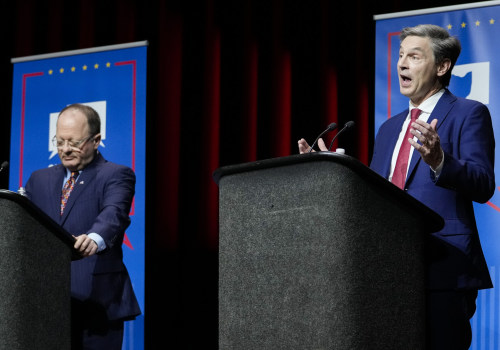
Political debates are a cornerstone of the electoral process, especially for political candidates in Northeast Ohio. They provide a platform for candidates to communicate their policies and engage with voters directly. Below are some frequently asked questions that shed light on the significance, formats, and scheduling of these debates.How many debates are typically scheduled?
The number of debates can vary widely based on the election cycle and the candidates involved. Generally, for statewide races, there are at least two to three major debates.Local races may have fewer, but candidates often participate in various forums organized by community groups, which can increase the total number of debates significantly.
What formats do these debates follow?
- Traditional Debate: In this format, candidates take turns answering questions posed by a moderator. This allows for direct comparisons of their policies and positions.
- Town Hall Style: This interactive format enables audience members to ask questions directly to the candidates, fostering a more engaging environment.
- Panel Discussions: A group of candidates may discuss issues together, providing insights into their positions while encouraging dialogue among them.
Where can I find information about upcoming debates?
Information regarding upcoming debates featuring political candidates in Northeast Ohio can typically be found through various channels:- Local News Websites: Many local news outlets provide coverage and schedules for political events.
- Candidate Campaign Pages: Candidates often list their debate schedules on their official websites or social media platforms.
- Community Bulletin Boards: Local organizations and community centers may post information about scheduled debates.
- League of Women Voters: This organization frequently compiles comprehensive listings of scheduled debates and candidate forums.
Why are debates important?
Debates serve multiple essential functions in the electoral process:- Voter Engagement: They allow constituents to assess candidates' knowledge, communication skills, and ability to handle pressure.
- Informed Decision-Making: For many voters in Northeast Ohio, these events can be pivotal in making informed choices during elections.
- Civic Participation: Debates encourage active participation in democracy by providing a forum for discussion on critical issues affecting the community.
The Future of Political Debates in Northeast Ohio
As we look to the future of political debates in Northeast Ohio, it is essential to recognize the evolving landscape shaped by technological advancements and changing voter expectations. The traditional formats of debates are likely to undergo significant transformations, reflecting the need for greater engagement and accessibility.Emerging Trends in Candidate Engagement
- Increased Use of Digital Platforms: With the rise of social media and online streaming, candidates are finding new ways to connect with voters.
Live-streamed debates and interactive Q&A sessions on platforms like Facebook and Instagram allow for real-time engagement, enabling constituents to ask questions directly and receive immediate responses.
- Focus on Local Issues: As candidates prepare for future debates, there is a growing emphasis on addressing local concerns that resonate with voters. This trend is likely to continue, as candidates recognize that discussing specific regional issues can enhance their relatability and appeal.
- Collaboration with Community Organizations: Candidates may increasingly partner with local organizations to host debates, ensuring that the events reflect the community's values and priorities. This collaboration can foster a sense of ownership among voters, encouraging higher participation rates.
Evolving Debate Formats
- Hybrid Formats: Future debates may adopt hybrid formats that combine traditional podium-style discussions with more interactive elements. For instance, candidates could participate in panel discussions where they engage in dialogue with each other while also addressing questions from the audience.
- Virtual Reality Experiences: As technology advances, virtual reality (VR) could play a role in political debates.
Imagine voters being able to attend a debate in a virtual setting, where they can interact with candidates and other attendees as if they were physically present.
- Shorter, More Frequent Debates: To keep pace with the fast-moving information landscape, candidates might opt for shorter debates held more frequently. This approach could cater to busy voters who prefer concise discussions over lengthy formats.
Conclusion: The Importance of Engaging with Political Debates
As we conclude our exploration of political debates among candidates in Northeast Ohio, it is essential to recognize the profound impact these events have on the democratic process.Political debates serve as a vital platform for candidates to communicate their visions, policies, and values directly to the electorate. They are not merely a formality; rather, they are a crucial opportunity for voters to engage with the candidates who seek to represent them.The importance of political engagement cannot be overstated. In a region like Northeast Ohio, where local issues such as economic development, healthcare access, and education reform dominate the conversation, debates provide a unique forum for candidates to address these concerns head-on. Voters are given the chance to hear differing perspectives and evaluate how each candidate plans to tackle the challenges facing their communities.Moreover, debates foster an environment of accountability.
Candidates are compelled to defend their positions and respond to criticisms in real-time, allowing voters to assess their readiness for office. This dynamic interaction not only informs voters but also encourages them to think critically about the issues at stake.In summary, political debates in Northeast Ohio are more than just scheduled events; they are a cornerstone of civic engagement. They empower voters by providing them with the information necessary to make informed decisions at the polls. As we look ahead to future elections, it is crucial for constituents to actively participate in these debates—whether by attending in person or engaging through various media platforms.Ultimately, the health of our democracy relies on informed and active participation from its citizens.
By engaging with political debates, voters in Northeast Ohio can ensure that their voices are heard and that their concerns are addressed by those who seek to lead them. As we move forward, let us embrace the opportunities that these debates present and commit ourselves to being informed participants in our democratic process.