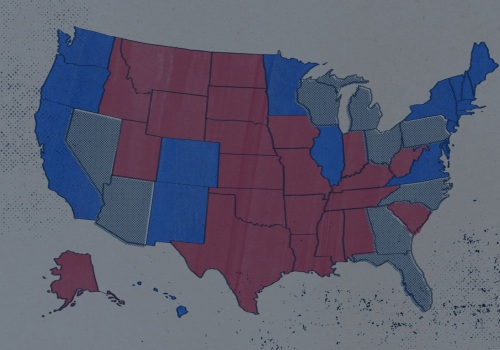
Northeast Ohio is witnessing a significant transformation in its political landscape, particularly as the 2023 elections approach. Traditionally dominated by the Democratic and Republican parties, the region is now seeing a surge in interest towards third-party candidates. These candidates are not merely fringe players; they represent a growing movement of voters who are disillusioned with conventional party politics and are seeking alternatives that resonate more closely with their values and concerns.The emergence of third-party candidates in Northeast Ohio reflects broader national trends where voters are increasingly frustrated with the status quo. Economic challenges, social justice issues, and environmental concerns have prompted many to look beyond the established parties for solutions.
This shift is particularly evident among younger voters, who are eager for fresh perspectives and innovative approaches to governance. As these candidates step into the spotlight, they bring with them unique platforms that challenge traditional ideologies and offer new ideas for addressing local issues.As we delve deeper into this evolving political scene, it becomes essential to understand the significance of these third-party candidates in shaping the electoral outcomes. Their presence not only diversifies the political discourse but also encourages a more inclusive dialogue about the future of Northeast Ohio. In this comprehensive guide, we will explore the profiles of these candidates, their platforms, and the key issues they aim to address, providing voters with valuable insights as they prepare for the upcoming elections.
The Political Landscape of Northeast Ohio
Northeast Ohio's political landscape is a complex tapestry woven from historical voting patterns, demographic shifts, and the evolving priorities of its residents.This region, which includes major urban centers like Cleveland and Akron, has traditionally been a stronghold for the Democratic Party, particularly in urban areas where issues of social justice and economic reform resonate deeply with voters. However, recent years have seen a notable shift in this dynamic, as the Republican Party has gained traction in suburban and rural areas, leading to a more competitive electoral environment.
Historical Voting Patterns
Historically, Northeast Ohio has been characterized by its strong labor unions and a diverse working-class population. These factors have contributed to a consistent Democratic majority in many elections. However, the decline of manufacturing jobs and economic challenges have led to disillusionment among voters who once aligned with the Democratic Party.
This discontent has opened the door for alternative political voices, including third-party candidates who seek to address the specific concerns of these communities.
Major Political Parties
- Democratic Party: The Democratic Party continues to dominate in urban areas, focusing on policies that promote social equity, healthcare access, and educational reform. Their platform often appeals to younger voters and those advocating for progressive change.
- Republican Party: The Republican Party has made significant inroads in suburban regions by emphasizing fiscal conservatism, law enforcement support, and economic growth initiatives. Their messaging resonates with voters concerned about crime rates and local economic development.
Emergence of Third-Party Candidates
The shifting political landscape has created fertile ground for third-party candidates who aim to challenge the status quo. As voters become increasingly frustrated with the limitations of the two-party system, they are seeking alternatives that align more closely with their values.
Issues such as healthcare reform, environmental sustainability, and economic inequality are at the forefront of many third-party platforms.This evolving political context not only highlights the challenges faced by third-party candidates but also underscores their potential impact on local elections. By addressing specific voter concerns that may be overlooked by major parties, these candidates can carve out a niche that resonates with an electorate eager for change.
Key Third-Party Candidates in the 2023 Elections
As the 2023 elections approach, several third-party candidates in Northeast Ohio are stepping forward, each bringing unique perspectives and platforms that challenge the traditional political landscape. Here, we profile some of the most notable candidates, highlighting their backgrounds, key issues, and what they aim to achieve if elected.Jane Smith (Libertarian Party)
Running for the U. S.House of Representatives in Ohio's 11th district, Jane Smith is a former small business owner with a strong belief in personal freedom and economic liberty. Her campaign emphasizes:
- Reducing Government Regulations: Smith advocates for a streamlined regulatory environment that she believes will foster entrepreneurship and innovation.
- Lowering Taxes: She argues that lower taxes will stimulate economic growth and allow individuals to keep more of their hard-earned money.
- Personal Responsibility: Smith encourages voters to take charge of their lives without excessive government intervention.
Mark Johnson (Green Party)
Mark Johnson
, a candidate for the Ohio State Senate, focuses on environmental sustainability and social justice. His platform includes:
- Renewable Energy Initiatives: Johnson aims to promote policies that support renewable energy sources, reducing reliance on fossil fuels.
- Healthcare Reform: He advocates for comprehensive healthcare solutions that ensure all residents have access to affordable medical services.
- Affordable Housing: Johnson is committed to addressing housing shortages and advocating for policies that make housing accessible to all.
Emily Chen (Independent)
Emily Chen
, running for Cuyahoga County Executive, brings a background in community organizing to her campaign. Her key focus areas include:
- Public Transportation Improvements: Chen aims to enhance public transit options to better serve the community and reduce traffic congestion.
- Community Engagement: She emphasizes the importance of involving constituents in local governance decisions, ensuring that all voices are heard.
- Sustainable Development: Chen advocates for development projects that prioritize environmental sustainability and community needs.
As they campaign, their platforms will likely resonate with constituents seeking representation that aligns with their values and addresses pressing local issues.
Key Issues Addressed by Third-Party Candidates
As the political landscape in Northeast Ohio evolves, third-party candidates are increasingly addressing a range of critical issues that resonate with voters seeking alternatives to the traditional two-party system. These candidates often focus on topics that reflect the concerns and aspirations of their constituents, providing fresh perspectives on pressing matters. Below are some of the key issues that third-party candidates are championing in their campaigns:Healthcare Access
One of the most significant issues for many third-party candidates is healthcare access. They advocate for universal healthcare solutions, emphasizing that healthcare should be a fundamental right rather than a privilege.Candidates propose policies aimed at:
- Reducing the overall cost of medical services.
- Expanding coverage to include all residents, regardless of income or employment status.
- Implementing preventive care measures to improve public health outcomes.
Environmental Sustainability
With growing concerns about climate change and environmental degradation, third-party candidates in Northeast Ohio are placing a strong emphasis on environmental sustainability. Their platforms often include:- Promoting renewable energy sources such as solar and wind power.
- Advocating for stricter regulations on pollution to protect local ecosystems.
- Encouraging sustainable agricultural practices to ensure food security and environmental health.
Economic Inequality
Economic inequality is another critical issue that third-party candidates are addressing. They recognize the widening wealth gap and propose solutions aimed at creating a more equitable economy. Key proposals include:- Implementing progressive taxation systems that ensure wealthier individuals contribute their fair share.
- Supporting small businesses through grants and low-interest loans to stimulate job creation.
- Advocating for an increase in the minimum wage to provide workers with a living wage.
As these candidates gain visibility, their platforms may significantly influence the upcoming elections, encouraging broader discussions about the future direction of local governance.
Challenges Faced by Third-Party Candidates
Third-party candidates in Northeast Ohio encounter a range of challenges that can significantly impede their ability to compete against established Democratic and Republican candidates. Understanding these obstacles is crucial for grasping the broader implications of their candidacies in local elections.Funding Disparities
One of the most significant hurdles faced by third-party candidates is the issue of funding. Unlike their major party counterparts, who often have access to substantial financial resources from party organizations, third-party candidates typically operate on shoestring budgets. This financial disparity limits their ability to conduct effective campaigns, which include:- Advertising: Without adequate funds, third-party candidates struggle to secure advertising space in local media, which is essential for raising awareness about their platforms.
- Campaign Infrastructure: Building a campaign team, organizing events, and reaching out to voters require financial investment that many third-party candidates simply do not have.
- Voter Outreach: Engaging with constituents through canvassing and community events is vital, but these activities often require resources that are hard to come by.
Voter Perception and Skepticism
Another significant challenge is voter perception.Many voters in Northeast Ohio are accustomed to the traditional two-party system, leading to skepticism about the viability of third-party candidates. This skepticism manifests in several ways:
- The "Wasted Vote" Mentality: A common belief among voters is that supporting a third-party candidate is akin to throwing away their vote, as these candidates are perceived as having little chance of winning.
- Lack of Name Recognition: Third-party candidates often struggle with name recognition compared to well-established Democratic and Republican figures, making it difficult for them to gain traction.
- Media Coverage: The media tends to focus on major party candidates, leaving third-party candidates with limited exposure. This lack of coverage can perpetuate the cycle of voter skepticism.
Ballot Access Issues
In addition to funding and perception challenges, third-party candidates face significant ballot access issues. The requirements for appearing on the ballot can be daunting:- Signature Requirements: Many states impose strict rules regarding the number of signatures needed to qualify for ballot access, which can be a formidable task for candidates without extensive volunteer networks.
- Tight Deadlines: The timelines for gathering signatures and submitting paperwork can be challenging, especially for candidates who may not have the resources or manpower to meet these deadlines.
- Laws Vary by State: Each state has different regulations regarding ballot access, making it even more complicated for third-party candidates who may wish to run in multiple jurisdictions.
Understanding these obstacles is essential for appreciating the broader implications of their candidacies in local elections.
Voter Perception and Support for Third-Party Candidates
As the political landscape in Northeast Ohio evolves, understanding voter perception of third-party candidates becomes increasingly important. Recent polling data indicates a significant shift in how voters view these alternatives, reflecting a growing discontent with the traditional two-party system. This section delves into the nuances of voter attitudes towards third-party candidates and the factors that influence their support.According to a recent survey conducted in 2023, approximately 30% of voters expressed openness to considering third-party candidates. This figure highlights a notable increase compared to previous election cycles, suggesting that many constituents are actively seeking alternatives to the mainstream Democratic and Republican options.The desire for change is particularly pronounced among younger voters, who often feel that their values and priorities are not adequately represented by established parties.Several key factors contribute to this evolving perception:
- Disillusionment with Major Parties: Many voters report feeling disenchanted with the two-party system, citing issues such as partisanship, lack of transparency, and failure to address critical local concerns. This disillusionment creates an opening for third-party candidates who promise to challenge the status quo.
- Alignment with Key Issues: Voters are increasingly drawn to third-party candidates who prioritize issues that resonate with their personal beliefs. Topics such as healthcare access, environmental sustainability, and economic inequality are at the forefront of many campaigns, making these candidates appealing to those who feel neglected by major parties.
- Community Engagement: Third-party candidates often emphasize grassroots campaigning and community involvement. By hosting town halls and engaging directly with constituents, they can build trust and rapport, which is essential for gaining voter support.
Many voters still harbor skepticism about the viability of third-party candidates, often viewing them as unlikely to win significant offices. This perception can deter potential supporters from casting their votes for these alternatives, fearing that their votes may be wasted.To counteract this skepticism, third-party candidates must focus on effective communication strategies that highlight their platforms and demonstrate their potential impact on local governance. Engaging with voters through social media and community events can help bridge the gap between perception and reality, fostering a more informed electorate.In conclusion, while voter perception of third-party candidates in Northeast Ohio is shifting positively, ongoing efforts are needed to convert interest into tangible support at the polls. As more individuals seek representation that aligns with their values, the role of third-party candidates may become increasingly significant in shaping the future political landscape.
How to Support Third-Party Candidates in Northeast Ohio
Supporting third-party candidates in Northeast Ohio is essential for fostering a more inclusive political environment.As these candidates often represent alternative viewpoints and policies, grassroots involvement can significantly amplify their voices. Here are several actionable steps you can take to support these candidates effectively:
- Volunteer Your Time: Many third-party campaigns thrive on the dedication of volunteers. By offering your time, you can help with various campaign activities such as canvassing neighborhoods, phone banking, or organizing community events. Check the official websites of candidates for specific volunteer opportunities and sign up to assist in areas that match your skills and interests.
- Attend Local Events: Engaging with the community is crucial for building awareness and support.
Attend town halls, rallies, and meet-and-greets to learn more about the candidates and their platforms. These events also provide an opportunity to connect with like-minded individuals who share your passion for political change.
- Make Campaign Contributions: Financial support is vital for any campaign's success. Consider making a donation to your preferred third-party candidate. Even small contributions can have a significant impact on their ability to reach voters through advertising and outreach efforts.
Many candidates offer options for one-time donations or recurring contributions, making it easy to support them financially.
- Spread the Word: Utilize your social media platforms to share information about third-party candidates. Create posts that highlight their policies, achievements, and upcoming events. Encourage your friends and family to learn more about these candidates and consider supporting them at the polls. Word-of-mouth can be a powerful tool in increasing visibility.
- Join Local Political Groups: Many organizations in Northeast Ohio focus on supporting third-party candidates and promoting political diversity.
Joining these groups can provide you with resources, networking opportunities, and a platform to advocate for change. Participating in local meetings or events can also help you stay informed about the latest developments in third-party politics.
Frequently Asked Questions About Third-Party Candidates
As the political landscape in Northeast Ohio evolves, many voters are curious about the role and significance of third-party candidates. Here are some frequently asked questions that can help clarify their presence and impact in local elections.What defines a third-party candidate?
A third-party candidate is an individual running for office who represents a political party other than the two dominant parties, which are the Democrats and Republicans.These candidates often advocate for alternative policies and perspectives that may not be fully represented by the major parties.
Who are some notable third-party candidates in Northeast Ohio for the upcoming elections?
In the 2023 election cycle, several third-party candidates have emerged, each bringing unique platforms to the forefront. For instance, Jane Smith from the Libertarian Party focuses on reducing government intervention in business, while Mark Johnson of the Green Party emphasizes environmental sustainability and social justice. Additionally, independent candidate Emily Chen aims to enhance community engagement and public transportation.What challenges do third-party candidates face?
- Funding: Third-party candidates often struggle to secure adequate financial resources compared to their major party counterparts, limiting their campaign outreach.
- Voter Perception: Many voters perceive supporting a third-party candidate as a wasted vote due to skepticism about their chances of winning.
- Ballot Access: Stringent laws regarding ballot access can make it difficult for third-party candidates to appear on ballots, requiring them to gather significant signatures or meet specific criteria.
- Media Coverage: Established parties typically dominate media narratives, making it challenging for third-party candidates to gain visibility.
Can third-party candidates influence election outcomes?
Yes, while it is rare for third-party candidates to win major offices outright, they can significantly influence election results by drawing votes away from major party candidates. This phenomenon is often referred to as the "spoiler effect," where a third-party candidate's presence can alter the dynamics of a race, potentially affecting which major party candidate prevails.How can voters learn more about third-party candidates?
Voters interested in exploring third-party options can find information through various channels:- Official Campaign Websites: Candidates often provide detailed information about their platforms and initiatives.
- Local News Outlets: Coverage of local elections frequently includes profiles of all candidates, including those from third parties.
- Social Media: Many candidates utilize social media platforms to engage with voters and share updates on their campaigns.
Conclusion: The Future of Third-Party Politics in Northeast Ohio
As we look toward the future of third-party politics in Northeast Ohio, it is essential to recognize the significant role these candidates play in shaping the political landscape.The increasing visibility of third-party candidates reflects a growing discontent with traditional party politics, as voters seek alternatives that resonate with their values and priorities. This shift is not merely a trend; it signifies a fundamental change in how constituents engage with the electoral process.Throughout this article, we have explored various dimensions of third-party candidates, including their platforms, challenges, and the key issues they address. Here are some of the critical points to consider:
- Diverse Representation: Third-party candidates bring unique perspectives to the table, often focusing on issues that are overlooked by the major parties. Their presence encourages a more inclusive political discourse.
- Voter Engagement: The rise of these candidates has sparked increased interest among voters, particularly younger demographics who are eager for change.
Engaging with these candidates can lead to higher voter turnout and greater civic participation.
- Challenges Ahead: Despite their potential impact, third-party candidates face significant hurdles, including funding disparities and entrenched voter perceptions. Overcoming these challenges will be crucial for their success in future elections.
- Electoral Impact: While it may be rare for third-party candidates to win major offices outright, they can influence election outcomes by drawing votes away from major party candidates. This phenomenon highlights their importance in shaping electoral dynamics.
However, they must navigate significant obstacles such as limited resources and media coverage.Moreover, technology and social media will play a pivotal role in amplifying their voices. By leveraging these platforms effectively, third-party candidates can reach broader audiences and mobilize grassroots support. As engagement increases online, it may translate into greater visibility and influence at the polls.In conclusion, while the path for third-party candidates in Northeast Ohio is fraught with challenges, their growing presence signals a shift toward a more diverse political landscape. Voters are increasingly looking for alternatives that reflect their diverse perspectives, and as such, third-party candidates may continue to play a vital role in shaping local governance and electoral outcomes.