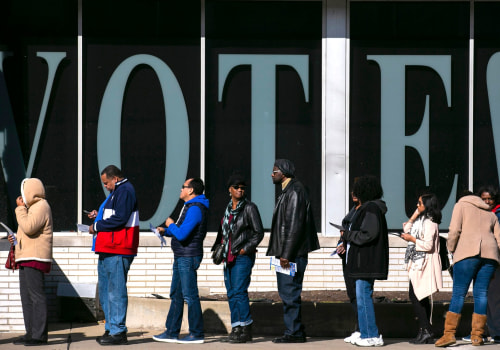
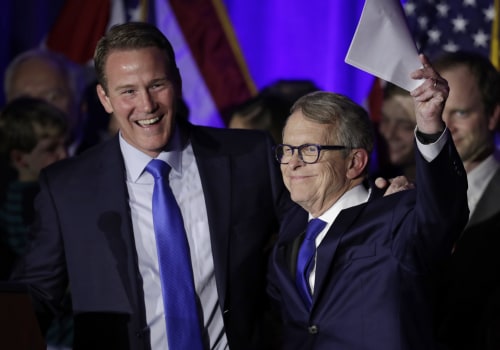
Northeast Ohio is at a pivotal moment in its political journey as the 2023 elections approach, bringing with them a diverse array of political candidates eager to shape the future of the region. The political landscape here is not just a reflection of individual ambitions; it embodies the collective hopes and concerns of the community. As voters prepare to make critical decisions, understanding the candidates and their platforms becomes essential for informed participation in the democratic process.The significance of this election cycle extends beyond local governance; it has the potential to influence broader state and national policies. With pressing issues such as economic recovery, healthcare access, and educational reform at the forefront, candidates are stepping up to address these challenges head-on.
Each candidate brings unique perspectives shaped by their backgrounds, experiences, and visions for Northeast Ohio's future. This rich tapestry of candidates reflects the region's diverse demographic and socio-economic landscape, making it crucial for voters to engage with their platforms.As we delve into the intricacies of this election season, we will explore not only who the candidates are but also what they stand for. By examining their campaign strategies and key issues, voters can better understand how these individuals plan to tackle the challenges facing their communities. The upcoming elections present an opportunity for residents to voice their opinions and influence the direction of local governance.
In this comprehensive guide, we aim to equip you with the insights needed to navigate this dynamic political environment effectively.
Key Offices and Positions Up for Election
As the political landscape in Northeast Ohio heats up, a variety of key offices are up for election, each playing a crucial role in shaping local governance and community well-being. Understanding these positions is essential for voters who wish to make informed decisions that will impact their lives and the future of their communities.Local Elections
Local elections are often the most direct way for residents to influence their immediate environment. Key positions include:- Mayors: The mayor serves as the chief executive officer of a city, responsible for implementing policies, overseeing city departments, and representing the city in various capacities. Their leadership can significantly affect economic development initiatives, public safety measures, and community engagement.
- City Council Members: City council members play a vital role in local governance by making decisions on budgets, ordinances, and community programs.
They act as a bridge between the government and constituents, ensuring that residents' voices are heard in policy-making.
- School Board Officials: School board members are responsible for overseeing local education systems, including budget allocations for schools, curriculum development, and educational standards. Their decisions directly impact the quality of education that students receive.
State Elections
At the state level, several important offices are contested that influence legislation affecting various sectors:- State Representatives: These officials represent specific districts in the state legislature. They propose and vote on laws that can affect everything from healthcare to transportation policies.
- State Senators: Similar to state representatives but serving longer terms, state senators have a significant role in shaping state laws and budgets. Their decisions can have long-lasting effects on residents' quality of life.
Federal Elections
The federal elections feature candidates vying for positions that have far-reaching implications:- U.
S. Senate:
Senators represent their states at the national level, influencing federal legislation on critical issues such as healthcare, education funding, and infrastructure development. - U. House of Representatives: House members represent smaller districts within states and play a crucial role in crafting federal laws. Their work directly impacts local communities through funding allocations and policy decisions.
By understanding the significance of these offices, residents can better appreciate how their votes will shape local governance in Northeast Ohio.
Demographics and Voter Trends in Northeast Ohio
Northeast Ohio is a region characterized by its rich diversity, which significantly influences the political landscape and voting behavior of its residents. Understanding the voter demographics in this area is essential for grasping how various factors shape electoral outcomes and candidate selection.One of the most notable demographic factors is age. Recent data indicates that younger voters, particularly those aged 18-29, are increasingly participating in elections. This group tends to lean towards progressive candidates who advocate for issues such as climate change, social justice, and educational reform.In contrast, older voters often support more traditional candidates, reflecting their established values and priorities. This generational divide can lead to varying campaign strategies, as candidates tailor their messages to resonate with different age groups.Race and ethnicity also play a crucial role in shaping voting patterns in Northeast Ohio. The region boasts a significant African American population, especially in urban centers like Cleveland. Candidates who prioritize issues relevant to these communities—such as economic equity and criminal justice reform—often garner substantial support.
Additionally, the growing Hispanic population is becoming increasingly influential, prompting candidates to address immigration reform and community representation.Income levels further complicate the electoral landscape. Areas with higher poverty rates tend to see candidates focusing on economic reform and job creation initiatives. Voters from lower-income backgrounds often prioritize policies that directly impact their livelihoods, such as minimum wage increases and affordable housing solutions.Educational attainment is another critical factor influencing voter behavior. Higher levels of education correlate with increased voter turnout and a preference for candidates advocating for educational reforms. Additionally, the growing Hispanic population is becoming increasingly influential, prompting candidates to address immigration reform and community representation.Income levels further complicate the electoral landscape. Areas with higher poverty rates tend to see candidates focusing on economic reform and job creation initiatives. Voters from lower-income backgrounds often prioritize policies that directly impact their livelihoods, such as minimum wage increases and affordable housing solutions.Educational attainment is another critical factor influencing voter behavior. Higher levels of education correlate with increased voter turnout and a preference for candidates advocating for educational reforms.
As voters become more informed about the issues at stake, they are more likely to engage in the electoral process.The urban-rural divide in Northeast Ohio adds another layer of complexity to voting trends. Urban areas typically lean Democratic, while rural regions often support Republican candidates. This divide can lead to stark contrasts in campaign messaging and policy priorities, as candidates seek to appeal to the unique needs of their constituents.In summary, the interplay of age, race, income levels, education, and geographic location significantly influences voter demographics and trends in Northeast Ohio. As these factors evolve, they will continue to shape the political landscape and the selection of political candidates in the region.
Major Issues Influencing Candidates and Voters
As the political landscape in Northeast Ohio evolves, several key issues are emerging that significantly influence both candidates and voters.Understanding these issues is crucial for grasping the motivations behind various candidate platforms and the concerns that resonate with the electorate.
Economic Development and Job Creation
One of the foremost concerns for voters in Northeast Ohio is economic development. With a history rooted in manufacturing, many communities are grappling with job losses and the need for revitalization. Candidates are focusing on policies that promote job creation, support small businesses, and attract new industries to the region. Voters are particularly interested in how candidates plan to address unemployment rates and provide training programs for emerging job sectors.
Healthcare Access
Healthcare access remains a critical issue, especially in light of recent public health challenges.
Candidates are advocating for policies that ensure affordable healthcare options for all residents. Voter concerns include the rising costs of medical care and the availability of services in rural areas. Candidates who propose comprehensive healthcare reforms or initiatives to expand access are likely to gain traction among constituents.
Education and Workforce Development
The quality of education and its alignment with workforce needs is another significant topic. Voters are increasingly aware of the importance of education reform, particularly in preparing students for high-demand careers.
Candidates are addressing this by proposing investments in local schools, vocational training programs, and partnerships with community colleges to enhance educational outcomes.
Infrastructure Improvements
Infrastructure is a pressing concern as well, with many voters advocating for upgrades to roads, bridges, and public transportation systems. Candidates who prioritize infrastructure improvements often highlight their plans to secure funding and implement sustainable practices that benefit both urban and rural areas.In summary, the major issues influencing candidates and voters in Northeast Ohio revolve around economic stability, healthcare access, education reform, and infrastructure development. As these topics dominate campaign discussions, they will undoubtedly shape the electoral outcomes in the region.
How to Get Involved in Local Elections
Engaging in local elections is a powerful way for residents of Northeast Ohio to influence their communities and ensure their voices are heard. Here are some effective strategies to get involved:Volunteering for Candidates
One of the most impactful ways to participate in local elections is by volunteering for political candidates.Campaigns often rely on dedicated volunteers to help with various tasks, which can include:
- Door-to-door canvassing: This involves visiting neighborhoods to discuss the candidate's platform and encourage residents to vote. Personal interactions can significantly sway undecided voters.
- Phone banking: Volunteers can make calls to potential voters, providing them with information about the candidate and reminding them of important election dates.
- Event organization: Help organize rallies, fundraisers, and community events that promote the candidate and engage with the electorate. These events are crucial for building community support.
Understanding Voting Information
Being informed about voting logistics is essential for effective participation.Here are some key points to consider:
- Registration: Ensure you are registered to vote. You can check your registration status online through state election websites. Deadlines for registration can vary, so it’s important to stay updated.
- Voting methods: Familiarize yourself with the different ways you can vote, including early voting, absentee ballots, and in-person voting on Election Day. Each method has its own procedures and deadlines.
- Polling locations: Know where your polling place is located and its hours of operation.
This information can usually be found on your local board of elections website, ensuring you don’t encounter any surprises on voting day.
Frequently Asked Questions about Political Candidates in Northeast Ohio
As the election season unfolds in Northeast Ohio, residents often have numerous questions regarding the political candidates and the electoral process. This section aims to address some of the most frequently asked questions to help voters navigate the complexities of the upcoming elections.How many political candidates are running in Northeast Ohio?
The number of candidates varies with each election cycle and depends on the specific offices up for grabs. Typically, you can expect a mix of incumbents seeking re-election and new challengers across various local, state, and federal positions.For the most accurate and up-to-date information, it is advisable to check local election boards or reputable news sources.
What types of offices are candidates contesting?
Candidates in Northeast Ohio are vying for a range of positions, including:- U. Senate and House of Representatives
- State Senate and House
- Local government positions , such as mayors, city council members, and school board officials
- Judicial positions
Where can I find detailed information about individual candidates?
To learn more about individual candidates' platforms, backgrounds, and campaign activities, consider exploring:- Voter guides : These often provide comprehensive overviews of candidates' positions on key issues.
- Candidate websites : Most candidates maintain official websites where they outline their platforms and initiatives.
- Local news articles : Reputable news outlets frequently cover candidate debates and interviews.
- Community forums : These events often host candidate Q&A sessions, allowing voters to engage directly with those running for office.
How can I assess if a candidate is qualified?
Qualifications can differ based on the position but generally include educational background, professional experience, and prior public service. Researching candidates through their official websites, reviewing third-party endorsements, and examining their track records can provide valuable insights into their qualifications. Additionally, attending community forums or debates can help voters gauge candidates' knowledge and commitment to their constituents.Understanding the political landscape is crucial for making informed voting decisions.By staying engaged with local news and community discussions, residents can remain updated on any changes or developments regarding political candidates in Northeast Ohio.
Conclusion: The Future of Politics in Northeast Ohio
As we look towards the future of politics in Northeast Ohio, it is evident that the region is on the brink of significant transformation. The diverse array of political candidates emerging in this election cycle reflects a growing engagement among residents who are eager to see their voices represented in local governance. This shift is not merely a trend; it signifies a deeper commitment to addressing the pressing issues that affect communities across the region.The upcoming elections will undoubtedly have a profound impact on the political landscape. With candidates focusing on critical topics such as economic development, healthcare access, and education reform, voters are presented with a unique opportunity to influence policies that will shape their lives for years to come.The emphasis on these issues indicates that candidates are not only aware of the challenges facing their constituents but are also prepared to propose actionable solutions.Moreover, the increasing number of candidates running for office suggests a revitalization of political discourse in Northeast Ohio. This influx of new voices can lead to more robust debates and discussions, encouraging voters to engage more deeply with the electoral process. As candidates articulate their platforms and connect with voters, they foster an environment where civic participation is valued and encouraged.In terms of voter engagement , this election cycle presents an opportunity for residents to become more active participants in democracy. With grassroots movements gaining momentum and community organizations mobilizing support, there is potential for higher voter turnout.
Engaged voters are more likely to research candidates, attend town hall meetings, and participate in discussions about local issues, thereby strengthening the democratic process.Ultimately, the future of politics in Northeast Ohio hinges on the active involvement of both candidates and voters. As we move forward, it is crucial for residents to remain informed about the candidates' positions and to engage in conversations that matter most to their communities. By doing so, they can help shape a political landscape that truly reflects the needs and aspirations of all residents.In conclusion, as Northeast Ohio prepares for its upcoming elections, the implications for voter engagement and political representation are significant. The active participation of informed voters will not only influence election outcomes but also pave the way for a more responsive and accountable government in the years ahead.