In the heart of Northeast Ohio, the conversation surrounding healthcare reform has reached a critical juncture, capturing the attention of both voters and political candidates. As the region grapples with escalating healthcare costs, disparities in access, and the lingering effects of the COVID-19 pandemic, the urgency for comprehensive reform has never been more pronounced. The implications of these issues extend beyond individual health; they resonate deeply within communities, influencing economic stability and overall quality of life.The healthcare landscape in Northeast Ohio is marked by a complex interplay of challenges. Many residents face significant barriers to accessing affordable care, particularly in underserved areas where healthcare providers are scarce.
Chronic conditions such as diabetes and heart disease are prevalent, exacerbated by socioeconomic factors that hinder effective treatment and prevention. As these issues come to the forefront, political candidates in Northeast Ohio are increasingly aware that their positions on healthcare can significantly impact their electoral prospects.As we delve into the perspectives of various political candidates in Northeast Ohio, it becomes evident that their proposed healthcare policies reflect not only their political ideologies but also the pressing needs of their constituents. Voters are eager for solutions that address rising prescription drug prices, enhance mental health services, and ensure equitable access to care for all residents. Understanding these candidates' stances on healthcare reform is essential for voters who wish to make informed decisions that align with their values and priorities.This exploration will illuminate how political candidates are responding to the urgent call for healthcare reform in Northeast Ohio.
By examining their proposals and the broader implications for community health, we aim to provide a comprehensive overview of this pivotal issue that stands at the intersection of politics and public well-being.
Current Healthcare Challenges in Northeast Ohio
Northeast Ohio is currently grappling with a multitude of healthcare challenges that significantly affect the well-being of its residents. These challenges are not only a reflection of the local healthcare system but also mirror broader national trends that have intensified in recent years.One of the most pressing issues is the rising costs associated with healthcare. Many families in the region are facing exorbitant medical bills, which can lead to financial strain and even bankruptcy. According to recent studies, healthcare spending in Ohio has increased by over 30% in the past decade, outpacing wage growth and leaving many residents unable to afford necessary treatments.This financial burden often results in individuals delaying or forgoing medical care altogether, exacerbating health issues.Access to healthcare is another critical concern. In rural areas of Northeast Ohio, residents frequently encounter significant barriers when trying to obtain medical services. A shortage of healthcare providers, particularly specialists, means that patients often have to travel long distances for care. This situation is further complicated by transportation issues, as many individuals lack reliable means to reach healthcare facilities.
As a result, those living in underserved areas may experience delays in diagnosis and treatment, leading to poorer health outcomes.Moreover, the prevalence of chronic diseases such as diabetes, heart disease, and obesity is alarmingly high in Northeast Ohio. For instance, statistics indicate that nearly 12% of adults in Cuyahoga County are diagnosed with diabetes, significantly higher than the national average. These chronic conditions not only diminish quality of life but also contribute to increased healthcare costs due to ongoing treatment needs.The COVID-19 pandemic has further highlighted these existing disparities and challenges within the healthcare system. The surge in cases revealed gaps in mental health services and emergency care availability, prompting calls for comprehensive reform.
As political candidates prepare their platforms for upcoming elections, addressing these critical issues will be essential for improving the overall health landscape in Northeast Ohio.
Key Political Candidates in Northeast Ohio
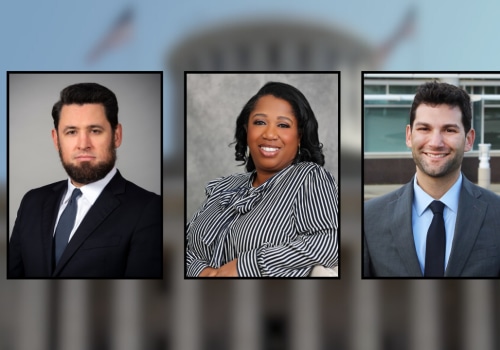
Northeast Ohio is witnessing a dynamic political landscape as candidates prepare for the upcoming elections in 2024. Understanding the profiles of these political candidates in Northeast Ohio is crucial for voters who want to make informed decisions, especially regarding healthcare reform, which remains a pressing issue in the region.Shontel Brown
is currently serving as the U. S. Representative for Ohio's 11th congressional district. A member of the Democratic Party, Brown has made healthcare reform a cornerstone of her platform.
She advocates for expanding access to affordable healthcare and addressing health disparities that affect marginalized communities. Her focus on community health initiatives and support for Medicaid expansion reflects her commitment to improving healthcare accessibility for all residents.
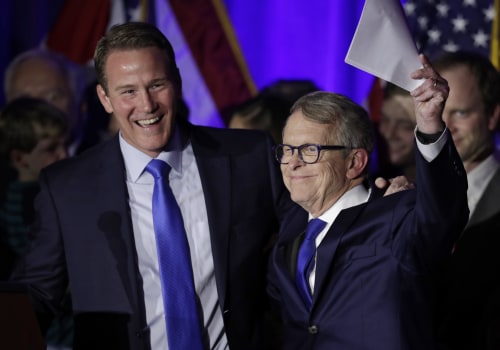
Mike DeWine
, the incumbent governor of Ohio, represents the Republican Party and has prioritized mental health services and combating the opioid crisis during his tenure. His administration has worked on expanding Medicaid, although this has been a contentious issue among candidates. DeWine's approach emphasizes collaboration with local health organizations to enhance service delivery and improve health outcomes across the state.
Nan Whaley
, former mayor of Dayton and a Democratic candidate for governor, has positioned healthcare as a central theme of her campaign.
Whaley advocates for universal healthcare coverage, arguing that it is essential for ensuring that all Ohioans have access to necessary medical services. Her proposals include increasing funding for public health initiatives and enhancing mental health resources.
Josh Mandel
, a candidate for U. Senate, represents a more conservative viewpoint on healthcare reform. He emphasizes market-driven solutions and reducing government involvement in healthcare.
Mandel's platform includes promoting competition among private insurers and advocating for tax incentives aimed at small businesses to provide health insurance to their employees.These candidates reflect a spectrum of views on healthcare reform, showcasing the diverse opinions within the electorate of Northeast Ohio. As the election approaches, their positions will likely evolve, making it essential for voters to stay informed about their proposals and how they plan to address the pressing healthcare challenges facing the region.
Candidates' Stances on Healthcare Reform
In the political arena of Northeast Ohio, candidates are articulating a wide range of stances on healthcare reform, each reflecting their unique perspectives and the pressing needs of the community. As healthcare remains a critical issue for voters, understanding these positions is essential for making informed electoral choices.Candidate A
, a Democratic contender, champions a comprehensive approach to healthcare reform. Their platform focuses on expanding Medicaid eligibility and introducing a public option to ensure that all residents have access to affordable healthcare.
They argue that such measures will not only improve health outcomes but also alleviate the financial strain on families struggling with high medical costs. This candidate emphasizes the importance of preventive care and aims to reduce emergency room visits by making primary care more accessible.
Candidate B
, representing the Republican party, advocates for a market-driven approach to healthcare. They propose reducing regulations on private insurers to foster competition, which they believe will lead to lower costs for consumers. Their policy initiatives include offering tax incentives for small businesses that provide health insurance to employees and promoting telehealth services as a means to enhance accessibility, particularly in rural areas where healthcare providers are scarce.
Candidate C
, an independent candidate, places a strong emphasis on mental health services within their healthcare reform agenda.
They propose increasing funding for mental health programs and integrating these services into primary care settings. This candidate argues that addressing mental health is crucial for overall community well-being and that it should be treated with the same urgency as physical health issues.Moreover, many candidates are addressing the rising costs of prescription drugs, which have become a significant concern for voters. Candidate D has introduced legislation aimed at allowing Medicare to negotiate drug prices directly with pharmaceutical companies, arguing that this could lead to substantial savings for consumers and improve access to necessary medications.As the election approaches, it is vital for voters in Northeast Ohio to consider how each candidate's healthcare policies align with their own values and needs. Engaging with these issues not only informs individual choices but also shapes the future of healthcare in the region, making it imperative for candidates to articulate clear and actionable proposals that resonate with their constituents.
Comparative Analysis of Candidates' Healthcare Proposals
In the competitive political landscape of Northeast Ohio, healthcare reform has become a central issue, prompting candidates to present a variety of proposals aimed at addressing the region's pressing healthcare challenges.A comparative analysis of these proposals reveals both distinct differences and notable similarities among the candidates, providing voters with critical insights into which policies may effectively tackle local healthcare issues.
Candidate A
, representing the Democratic party, champions a comprehensive approach to healthcare reform. Their proposal includes:
- Expansion of Medicaid: Candidate A advocates for broadening Medicaid eligibility to cover more low-income individuals and families, aiming to reduce the number of uninsured residents.
- Public Option: They propose introducing a public insurance option that would compete with private insurers, thereby increasing access to affordable healthcare and driving down costs through competition.
- Preventive Care Initiatives: Emphasizing preventive care, Candidate A seeks to implement programs that encourage regular health screenings and wellness checks, which could lead to early detection of chronic conditions.
Candidate B
, a Republican contender, offers a contrasting vision focused on market-driven solutions. Their key proposals include:
- Tax Incentives for Businesses: Candidate B suggests providing tax breaks to small businesses that offer health insurance to their employees, aiming to increase coverage rates without expanding government programs.
- Regulatory Reductions: They advocate for reducing regulations on insurance providers to foster competition and lower premiums for consumers.
- Telehealth Expansion: Recognizing the growing importance of telehealth services, Candidate B supports legislation that would enhance access to virtual care, particularly in rural areas where healthcare providers are scarce.
Candidate C
, an independent candidate, takes a more radical approach by proposing a single-payer healthcare system. Their platform includes:
- Universal Coverage: Candidate C argues that a single-payer system would ensure that all residents have access to necessary medical services without financial barriers.
- Simplified Administration: They believe that eliminating private insurance would streamline administrative processes and reduce overall healthcare spending.
- Focus on Mental Health: This candidate emphasizes the integration of mental health services into primary care settings, advocating for increased funding and resources dedicated to mental health treatment.
While Candidate A and Candidate C lean towards expanding public options and universal coverage, Candidate B emphasizes market solutions and individual choice. As voters consider these candidates' positions, it is essential to evaluate how each proposal aligns with their own values and the specific healthcare needs of Northeast Ohio residents.
Public Opinion on Healthcare Reform in Northeast Ohio
In Northeast Ohio, public opinion on healthcare reform has become a focal point of political discourse, reflecting the community's urgent need for change. Recent surveys and polls have provided valuable insights into the priorities and concerns of voters regarding healthcare issues, revealing a strong desire for reform that addresses both accessibility and affordability.According to a survey conducted by the Ohio Polling Institute, approximately 65% of respondents expressed dissatisfaction with the current healthcare system. This sentiment is largely driven by escalating costs and limited access to essential services.Many residents have shared personal experiences highlighting their struggles with high medical bills and inadequate insurance coverage, underscoring the need for comprehensive reform.When delving deeper into specific healthcare issues, several key themes emerge from public opinion:
- Universal Coverage: A significant 70% of those surveyed support initiatives aimed at achieving universal healthcare coverage. Voters believe that such measures would ensure that all residents have access to necessary medical services without facing financial hardship.
- Prescription Drug Costs: An overwhelming 75% of respondents identified lowering prescription drug prices as a top priority for political candidates. This concern reflects a growing awareness of the financial burden that high medication costs place on families.
- Mental Health Services: The importance of mental health has gained recognition, with 68% of voters advocating for increased funding for mental health programs. Many believe that addressing mental health is crucial for overall community well-being.
Many residents recognize that effective healthcare reform could lead to improved public health outcomes and economic stability.As political candidates prepare for upcoming elections, understanding these public sentiments will be essential. Candidates who align their platforms with the expressed needs and desires of their constituents may find greater support at the polls. The ongoing dialogue surrounding healthcare reform is likely to remain a pivotal issue as voters seek solutions that address both immediate concerns and long-term systemic changes.
Impact of National Trends on Local Candidates' Stances
The landscape of healthcare reform in the United States significantly shapes the political discourse among candidates in Northeast Ohio. As national trends evolve, local candidates often find themselves adapting their platforms to align with broader movements that resonate with their constituents.This alignment is not merely a matter of political strategy; it reflects the growing awareness among voters regarding healthcare issues and their desire for effective solutions.One of the most prominent national trends influencing local candidates is the push for universal healthcare. This concept has gained traction across the country, with many advocating for policies that ensure all citizens have access to necessary medical services. In Northeast Ohio, candidates are increasingly proposing expansions to Medicaid and supporting the Affordable Care Act (ACA). These proposals aim to address the pressing need for affordable healthcare, particularly among low-income populations who often face barriers to accessing care.Another significant trend is the focus on prescription drug pricing.
As national conversations highlight the exorbitant costs of medications, local candidates are responding by advocating for legislation that seeks to lower these prices. Many are calling for measures that would allow Medicare to negotiate directly with pharmaceutical companies, a move that could lead to substantial savings for consumers. This issue resonates deeply with voters who are burdened by high out-of-pocket expenses for essential medications.The COVID-19 pandemic has also accelerated discussions around telehealth services. The necessity of remote healthcare options during lockdowns has prompted candidates in Northeast Ohio to support legislation aimed at expanding telehealth access.
This trend not only addresses immediate healthcare needs but also reflects a long-term shift towards more flexible and accessible healthcare delivery models.Moreover, grassroots movements and advocacy groups play a crucial role in shaping candidate positions. As these organizations mobilize voters around specific healthcare issues, candidates who align themselves with these movements often gain a competitive edge. This responsiveness demonstrates an understanding of the electorate's priorities and concerns, which can be pivotal during election cycles.In summary, the influence of national trends on local candidates' stances in Northeast Ohio is profound. As they navigate their platforms, candidates must balance local needs with these broader movements to effectively engage voters.
The ongoing dialogue surrounding healthcare reform will likely remain a central theme in upcoming elections, as both candidates and constituents seek solutions that address immediate challenges while paving the way for a healthier future.
Frequently Asked Questions about Healthcare Reform and Candidates
As healthcare reform remains a critical issue in Northeast Ohio, many voters have questions about the positions of political candidates and the implications of their proposed policies. Below are some frequently asked questions that can help clarify these important topics.What are the primary healthcare reform proposals from candidates in Northeast Ohio?
Candidates in Northeast Ohio have introduced a variety of healthcare reform initiatives aimed at addressing the unique challenges faced by the region. Some of the most common proposals include:- Expanding Medicaid: Several candidates advocate for expanding Medicaid eligibility to cover more low-income individuals and families, ensuring that more residents have access to essential healthcare services.
- Lowering Prescription Drug Prices: Many candidates are pushing for legislation that would allow for price negotiations on prescription drugs, aiming to make medications more affordable for all residents.
- Universal Healthcare Coverage: A few candidates support transitioning to a universal healthcare system, arguing that it would guarantee coverage for every citizen, thereby reducing disparities in access and outcomes.
How do candidates plan to enhance mental health services?
Mental health is a significant concern in Northeast Ohio, and candidates have proposed various strategies to improve services in this area:- Increased Funding: Many candidates emphasize the need for increased funding for mental health programs and facilities to ensure that adequate resources are available for those in need.
- Integration of Services: Some candidates suggest integrating mental health services with primary care, allowing for a more holistic approach to treatment and better overall health outcomes.
What is the stance of candidates on healthcare accessibility?
Accessibility remains a key issue for voters, with many candidates focusing on improving access to healthcare services through various means:- Transportation Improvements: Proposals often include enhancing transportation options for patients who need to reach healthcare facilities, particularly in rural areas where access can be limited.
- Telehealth Expansion: The COVID-19 pandemic has highlighted the importance of telehealth services. Candidates are increasingly supporting legislation that expands these services to make healthcare more accessible, especially for those unable to travel.
By staying informed, residents can make educated decisions that align with their healthcare needs and values.
Conclusion: The Future of Healthcare Reform in Northeast Ohio Politics
As we look towards the future of healthcare reform in Northeast Ohio, it is evident that the political landscape is evolving in response to the pressing needs of the community. The diverse array of candidates and their respective platforms reflect a growing awareness of the critical healthcare challenges faced by residents. From rising costs to accessibility issues, these candidates are not only addressing immediate concerns but also proposing long-term solutions that could reshape the healthcare system in the region.One of the most significant takeaways from this analysis is the emphasis on affordable healthcare access. Many candidates are advocating for policies that aim to expand coverage, particularly for low-income individuals and families.This focus on inclusivity suggests a potential shift towards more comprehensive healthcare solutions, such as universal coverage or enhanced public options. As these proposals gain traction, they could lead to a more equitable healthcare system that prioritizes the needs of all residents.Moreover, the integration of mental health services into primary care is becoming a central theme among candidates. With increasing recognition of mental health as a critical component of overall well-being, proposals to increase funding and resources for mental health programs are likely to resonate with voters. This shift not only addresses immediate mental health crises but also promotes a holistic approach to healthcare that considers both physical and mental health.Additionally, the ongoing dialogue surrounding prescription drug pricing remains a pivotal issue.
Candidates who advocate for policies aimed at lowering drug costs are likely to find strong support among constituents who are burdened by high medication expenses. As public sentiment continues to favor reforms in this area, candidates will need to align their platforms with these expectations to remain competitive.In conclusion, the future of healthcare reform in Northeast Ohio is poised for significant transformation as political candidates respond to the evolving needs of their constituents. By prioritizing affordable access, integrating mental health services, and addressing prescription drug costs, these candidates have the potential to create a more effective and inclusive healthcare system. As voters prepare for upcoming elections, understanding these dynamics will be crucial in shaping the future of healthcare in the region.