In the vibrant political landscape of Northeast Ohio, the representation of gender among political candidates is a critical issue that warrants thorough examination. As society evolves, so too does the expectation for political representation to mirror the diverse demographics of the community. Understanding the dynamics of gender representation in this region is not merely an academic exercise; it is essential for fostering a political environment that is inclusive and reflective of all constituents. The voices and experiences of women and other marginalized genders in politics can significantly influence policy decisions, ensuring that a wider array of perspectives is considered in governance.The importance of analyzing political candidates in Northeast Ohio extends beyond mere statistics.
It encompasses the broader implications for community engagement, voter turnout, and the overall health of democracy in the region. As we delve into this topic, we will uncover how gender diversity among candidates can lead to more comprehensive policymaking that addresses the needs of various demographic groups. This exploration will highlight not only the progress made but also the challenges that remain in achieving equitable representation.Moreover, as we set the stage for a detailed exploration of gender representation, it is crucial to recognize that this issue intersects with various factors such as race, age, and socioeconomic status. The interplay between these elements shapes the political landscape and influences who decides to run for office.
By examining these intersections, we can gain a deeper understanding of how to create a more inclusive political arena in Northeast Ohio.
Current Landscape of Political Candidates in Northeast Ohio
The political landscape in Northeast Ohio is characterized by a diverse array of candidates vying for various offices, reflecting the region's rich history of civic engagement and activism. As we analyze the current political candidates, it is essential to consider their demographics, including gender, ethnicity, and age distribution, to understand the broader implications for representation and governance.As of the latest election cycle, approximately 40% of candidates running for office in Northeast Ohio identify as women. This figure marks a significant increase from previous years, indicating a positive trend towards greater gender inclusivity in political representation. However, while this progress is commendable, it also highlights the ongoing need for further advancements in achieving gender parity.In addition to gender representation, the ethnic diversity among candidates is noteworthy.Around 25% of candidates belong to minority groups, including African American, Hispanic, and Asian American communities. This shift not only mirrors the demographic makeup of Northeast Ohio but also underscores the importance of having representatives who can address the unique needs and concerns of various communities within the electorate.The age distribution of candidates also plays a crucial role in shaping the political environment. Approximately 30% of candidates are under the age of 40, suggesting a potential shift towards younger leadership that may bring fresh perspectives and innovative ideas to local governance. This influx of younger candidates could lead to more dynamic discussions on pressing issues such as education reform, healthcare access, and economic development.To summarize, the current landscape of political candidates in Northeast Ohio presents a more balanced demographic profile than in past election cycles.
The increasing participation of women and minority groups, along with younger candidates stepping into leadership roles, suggests a dynamic and evolving political environment. However, it is crucial to continue monitoring these trends and advocating for policies that promote equitable representation across all demographics.
Gender Breakdown: Statistics and Trends
Analyzing the gender breakdown of political candidates in Northeast Ohio reveals significant insights into the evolving landscape of political representation. Recent statistics indicate a notable shift towards greater inclusivity, particularly regarding female candidates. In the 2022 election cycle, women constituted approximately 35% of all political candidates in the region, a marked increase from 28% in the previous cycle.This upward trend underscores a growing recognition of the importance of female representation in politics.
Current Gender Statistics
- Statewide Races: In statewide elections, women candidates accounted for 40% of those running for office, reflecting a significant push for gender parity.
- Local Elections: At the local level, the percentage of female candidates was slightly lower, at 30%, indicating that while progress is being made, there remains room for improvement.
Trends Over Time
The trend towards increased female candidacy can be attributed to several key factors:
- Grassroots Movements: Initiatives aimed at empowering women to run for office have gained traction, encouraging more women to enter the political arena.
- Public Awareness: Increased media coverage and public discourse around gender equality have raised awareness about the need for diverse representation.
- Cultural Shifts: Changing societal norms regarding gender roles have fostered an environment where more women feel empowered to pursue political careers.
Women candidates often face unique obstacles such as funding disparities and societal biases that can hinder their campaigns. Addressing these issues is essential for fostering an equitable political environment in Northeast Ohio.In conclusion, while the gender breakdown of political candidates in Northeast Ohio shows promising advancements, ongoing efforts are necessary to ensure that all voices are represented in the political process. The increasing participation of women not only enriches the political discourse but also paves the way for more comprehensive and inclusive policymaking that reflects the diverse needs of the community.
Impact of Gender on Political Campaigns and Elections
The influence of gender on political campaigns and elections is a complex and multifaceted issue that significantly shapes the political landscape in Northeast Ohio. Female candidates often encounter unique challenges that can affect their campaign strategies and overall success in elections.One of the primary challenges faced by women in politics is the pervasive bias that can influence voter perceptions.Research indicates that voters may harbor unconscious biases regarding a candidate's capabilities based on their gender. This bias can manifest in various ways, leading to disparities in support for male versus female candidates. For instance, studies have shown that female candidates may be perceived as less competent or less qualified than their male counterparts, which can hinder their chances of securing votes.In addition to voter bias, female candidates frequently grapple with significant obstacles related to fundraising and media coverage. Women often have smaller networks for fundraising compared to men, which can limit their financial resources for campaign activities.
This disparity in funding can lead to less visibility during campaigns, as financial constraints may restrict advertising and outreach efforts.Moreover, media representation plays a crucial role in shaping public perception of candidates. Female candidates are often portrayed differently in the media, with coverage focusing more on their appearance or personal lives rather than their policies and qualifications. This skewed representation can further complicate their campaign efforts, as it detracts from the substantive issues they aim to address.Despite these challenges, many female candidates are adopting innovative campaign strategies to navigate the political landscape effectively. For example, leveraging social media platforms has become a vital tool for women seeking to connect with voters and amplify their messages.
By utilizing platforms like Twitter, Facebook, and Instagram, female candidates can engage directly with constituents, share their policy positions, and build a supportive community around their campaigns.Additionally, grassroots movements aimed at empowering women in politics have gained momentum in recent years. These initiatives provide resources, mentorship, and training to help women overcome barriers and succeed in their political endeavors. As more women enter the political arena, the dynamics of elections may shift towards a more balanced representation.In conclusion, while gender continues to play a significant role in shaping political campaigns and election outcomes in Northeast Ohio, ongoing efforts to address these disparities are paving the way for a more inclusive political environment. The resilience and adaptability of female candidates highlight the potential for change within the political landscape as they strive for equitable representation.
Case Studies: Notable Female Candidates in Northeast Ohio
Northeast Ohio has become a fertile ground for female political candidates, showcasing a range of individuals who have made significant strides in their respective roles.This section delves into the stories of notable women who have not only run for office but have also influenced the political landscape through their leadership and advocacy.
Shontel Brown
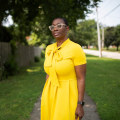
Shontel Brown, a prominent figure in Northeast Ohio politics, serves as a Democratic member of the Cuyahoga County Council. Her ascent to the U. S. House of Representatives in 2021 marked a pivotal moment for representation in the region.Brown's campaign was characterized by her focus on critical issues such as healthcare access, educational reform, and economic development. Despite facing challenges related to fundraising and voter outreach, she successfully mobilized grassroots support through community engagement initiatives. Her victory not only highlighted her capabilities as a leader but also underscored the importance of diversity in political representation.
Marcia Fudge
Another influential leader is Marcia Fudge, who previously served as the mayor of Warrensville Heights before being elected to Congress. Fudge's tenure has been marked by her unwavering commitment to social justice and economic equality.Her campaign strategies included leveraging her extensive local network and addressing issues that resonated deeply with her constituents. Fudge's ability to connect with voters on a personal level has been instrumental in her success, demonstrating how local ties can enhance political campaigns.
Kristin Boggs
Kristin Boggs, a state representative from Columbus, has also made significant contributions to the political discourse in Northeast Ohio. With a focus on education reform and women's rights, Boggs has garnered substantial support from various community groups. Throughout her campaign, she faced challenges related to gender bias but effectively utilized social media platforms to engage younger voters and amplify her message.Her experience illustrates the evolving nature of political campaigning and the importance of adapting strategies to reach diverse audiences.These case studies not only highlight the achievements of these remarkable women but also reflect broader trends in female political participation in Northeast Ohio. Their journeys reveal both the progress made and the ongoing challenges that women face in politics, emphasizing the need for continued support and advocacy for female candidates.
Community Perspectives on Gender Representation in Politics
In recent years, the dialogue surrounding gender representation in politics has gained significant momentum within the communities of Northeast Ohio. This shift reflects a growing awareness of the importance of having political candidates who mirror the diverse demographics of the region. A recent survey conducted by a local advocacy group revealed that approximately 68% of respondents believe that gender diversity among political candidates is essential for effective governance.Many community members expressed that having women in leadership roles can lead to more comprehensive policy discussions and a broader range of perspectives on issues affecting their lives.One participant noted, "When we see women in positions of power, it inspires younger generations to pursue their own political ambitions. Representation matters, and it shapes our community's future." This sentiment resonates with many, emphasizing that visible female leadership can challenge traditional norms and encourage more inclusive dialogue.However, despite this positive outlook, challenges persist. Many residents acknowledged that female candidates often face unique obstacles, such as funding disparities and societal biases. A local political analyst pointed out that while there is increasing support for women candidates, systemic barriers still exist.
They stated, "We need to actively work towards dismantling these barriers to ensure that all voices are heard in our political landscape." This highlights the necessity for ongoing advocacy and support for women seeking office.The community's commitment to fostering an environment where gender representation is prioritized is evident through various initiatives aimed at supporting women in politics. Local organizations are hosting workshops and mentorship programs designed to empower aspiring female candidates. These efforts not only provide resources but also create networks that can help women navigate the complexities of political campaigns.In conclusion, the perspectives gathered from residents of Northeast Ohio reflect a strong desire for increased gender diversity among political candidates. As public opinion shifts towards valuing representation, it is clear that the community is ready to embrace change and advocate for a more inclusive political arena.
Future Outlook: Gender Representation in Upcoming Elections
As we look toward the upcoming elections in Northeast Ohio, the landscape of gender representation among political candidates is set to undergo significant changes.Recent trends indicate a growing momentum for female candidates, driven by increased community engagement and advocacy for diversity in political representation.In the past few election cycles, there has been a noticeable rise in the number of women stepping forward to run for office. This shift can be attributed to several key factors:
- Grassroots Movements: Local organizations and advocacy groups have played a pivotal role in encouraging women to pursue political careers. These groups provide essential resources, mentorship, and support systems that empower women to navigate the complexities of running for office.
- Increased Visibility: The success of women in politics at both state and national levels has inspired many potential candidates in Northeast Ohio. High-profile victories have demonstrated that women can successfully campaign and hold office, motivating others to follow suit.
- Community Engagement: As communities become more engaged in political discourse, there is a growing demand for representatives who reflect the demographic makeup of their constituents.
Voters are increasingly seeking candidates who understand their unique challenges and perspectives.
With ongoing support from local communities and advocacy groups, we can anticipate a more equitable landscape in upcoming elections. This evolution paves the way for a new generation of leaders who are representative of their constituents and committed to addressing the diverse needs of their communities.
FAQs about Gender Breakdown of Political Candidates in Northeast Ohio
Understanding the gender breakdown of political candidates in Northeast Ohio is essential for grasping the dynamics of local governance and representation. Below are some frequently asked questions that provide insights into this important topic.What is the current gender ratio among political candidates in Northeast Ohio?
As of the latest election cycle, the gender ratio among political candidates in Northeast Ohio indicates that women represent approximately 30% of all candidates. This figure highlights ongoing challenges in achieving gender parity within the political landscape, despite notable progress in recent years.How does the gender breakdown compare to previous years?
The trend over the past decade shows a gradual increase in female candidates.For instance, in 2010, women constituted only about 20% of political candidates in the region. This upward trajectory suggests that initiatives aimed at encouraging female participation in politics are beginning to take effect, although there is still much work to be done.
What factors influence the gender breakdown of candidates?
- Cultural Norms: Traditional views on gender roles can significantly impact who decides to run for office, often discouraging women from pursuing candidacy.
- Support Networks: Access to mentorship and resources can greatly affect a candidate's ability to campaign effectively. Women often face challenges in building these networks compared to their male counterparts.
- Political Climate: The overall political environment, including recent movements advocating for women's rights, can inspire more women to enter politics and seek office.
Are there specific initiatives promoting female candidates?
Yes, several organizations and programs in Northeast Ohio focus on empowering women to pursue political office. These initiatives often provide training, resources, and networking opportunities aimed at increasing the number of female candidates.Examples include:
- Workshops: Programs that offer training on campaign strategies, public speaking, and fundraising techniques specifically tailored for women.
- Mentorship Programs: Initiatives that connect aspiring female politicians with experienced leaders who can provide guidance and support throughout their campaigns.
- Advocacy Groups: Local organizations dedicated to raising awareness about the importance of gender diversity in politics and mobilizing community support for female candidates.
Conclusion: Key Takeaways on Gender Representation in Politics
In reviewing the gender representation of political candidates in Northeast Ohio, several critical insights emerge that underscore the current landscape and the path forward. The data reveals a complex interplay of progress and challenges that shape the political arena in this region.1.Progress in Female Representation
- Recent statistics indicate that women now make up approximately 40% of candidates in statewide races, a significant increase from previous years. This shift reflects a growing recognition of the importance of female voices in governance.
- At the local level, while the percentage of female candidates is slightly lower at around 30%, it still marks a notable improvement compared to historical data.
2.Ongoing Disparities
- Despite these advancements, women remain underrepresented compared to their male counterparts, particularly in certain political parties. For instance, only 25% of Republican candidates were women in the last election cycle.
- The challenges faced by female candidates, including funding disparities and media representation, continue to hinder their ability to compete on equal footing with male candidates.
3.The Role of Community Support
- Community engagement and grassroots movements have played a pivotal role in encouraging more women to run for office.
Local organizations are increasingly providing resources and mentorship to aspiring female politicians.
- The public's growing awareness of gender equality issues has fostered an environment where diverse representation is not only desired but expected.
4.Future Outlook
- The upcoming elections present an opportunity for further progress in gender representation. With increased support for female candidates and a demand for diverse leadership, we may see a notable rise in women stepping into political roles.
- As societal values continue to evolve, the expectation for equitable representation will likely drive more women to pursue political careers, ultimately enriching the political discourse in Northeast Ohio.