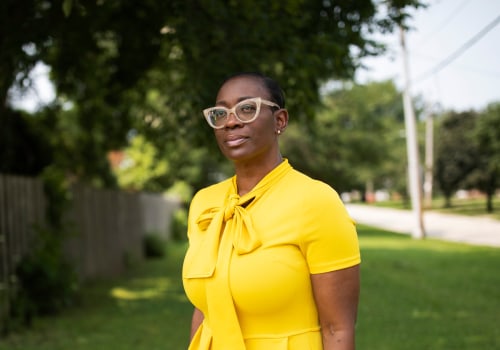
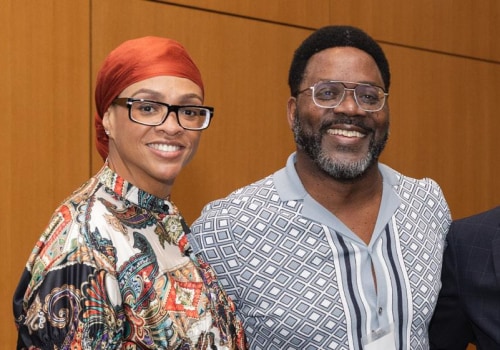
Northeast Ohio is currently experiencing a transformative period in its political landscape, marked by a significant rise in first-time political candidatesfirst-time political candidates eager to engage with their communities and address pressing local issues. This shift is not merely a trend; it reflects a deeper desire among residents for representation that resonates with their diverse backgrounds and experiences. As these newcomers step into the political arena, they bring fresh ideas and perspectives that challenge traditional norms, invigorating the local governance process.The emergence of these first-time candidates is particularly noteworthy in a region that has historically been characterized by established political figures. Many of these new entrants are motivated by personal experiences and community needs, seeking to create meaningful change in areas such as education, healthcare, and economic development.
Their campaigns often prioritize grassroots engagement, aiming to connect with voters on a personal level and foster a sense of ownership over local governance.As we delve into the intricacies of the current political climate in Northeast Ohio, it becomes evident that understanding the motivations and backgrounds of these candidates is crucial. They not only represent a broader spectrum of the electorate but also serve as catalysts for increased civic participation. In an era where voter apathy can be prevalent, the rise of first-time candidates offers a glimmer of hope, encouraging constituents to become more involved in the electoral process and advocate for their communities.
Current Political Landscape in Northeast Ohio
The political landscape in Northeast Ohio is undergoing a significant transformation, driven by a combination of demographic shifts, evolving voter sentiments, and the emergence of new political candidates. This dynamic environment is crucial for understanding the motivations behind the increasing number of first-time candidates stepping into the electoral arena.Demographic Changes
- Diversity: Northeast Ohio has experienced notable demographic changes over the past decade.
The region is becoming increasingly diverse, with a growing population of individuals from various ethnic and cultural backgrounds. This shift has led to a demand for representation that reflects the community's rich tapestry.
- Aging Population: While diversity is on the rise, the region also faces challenges associated with an aging population. Older voters often have different priorities compared to younger constituents, creating a complex landscape where candidates must address a wide range of issues.
- Younger Voters: A significant increase in younger voters has been observed, particularly in urban areas. This demographic is more engaged and vocal about issues such as climate change, social justice, and economic opportunity, pushing candidates to adapt their platforms accordingly.
Political Trends
- Progressive Movements: There is a noticeable shift towards progressive policies among voters in Northeast Ohio.
Issues like healthcare access, education reform, and environmental sustainability are gaining traction, prompting candidates to align their campaigns with these values.
- Grassroots Activism: The rise of grassroots movements has empowered many individuals to run for office. These movements often focus on local concerns and encourage community involvement, leading to a more engaged electorate.
- Increased Political Awareness: Recent events have heightened political awareness among residents. Many individuals are now more informed about local issues and are motivated to participate in the electoral process, whether by voting or running for office themselves.
Election Dynamics
- Competitive Races: The competitive nature of local elections has intensified as first-time candidates challenge established incumbents. This competition not only invigorates the political discourse but also encourages voters to pay closer attention to their choices.
- Civic Engagement: The emergence of new candidates has sparked greater civic engagement across Northeast Ohio.
As these individuals connect with constituents on pressing issues, they foster a sense of ownership among voters regarding their local governance.
- Voter Turnout: With first-time candidates actively campaigning on relatable issues, voter turnout is expected to rise. Engaging narratives and community-focused platforms resonate with constituents, motivating them to participate in upcoming elections.
Demographic Changes Influencing Political Candidates
The political landscape in Northeast Ohio is undergoing significant transformation, largely driven by demographic changes that are reshaping the types of candidates emerging in local elections. These shifts are not only reflective of the region's evolving population but also highlight the increasing demand for representation across various demographics.Age Diversity
One of the most notable trends among first-time political candidates in Northeast Ohio is the increasing presence of younger individuals, particularly those in their 30s and 40s.
This age group is often characterized by a strong desire to influence local governance and address issues that resonate with their peers. Many of these younger candidates are leveraging their familiarity with technology and social media to engage voters, making their campaigns more accessible and relatable. This generational shift is crucial as it brings fresh perspectives on pressing issues such as education, healthcare, and economic development.
Gender Representation
Another significant aspect of the demographic changes is the rise in female candidates. Historically underrepresented in politics, women are stepping forward in greater numbers to run for office in Northeast Ohio.
This increase not only promotes gender equality but also enriches the political discourse by introducing diverse viewpoints and experiences. Female candidates often prioritize issues such as reproductive rights, childcare accessibility, and workplace equality, which resonate deeply with many constituents. Their participation signals a broader societal shift towards inclusivity and representation.
Ethnic Diversity
Northeast Ohio is home to a rich tapestry of cultures and ethnicities, and this diversity is increasingly reflected in its political candidates. First-time candidates from various ethnic backgrounds are emerging, aiming to address the unique needs of their communities.
This representation is vital for fostering a political environment that truly reflects the electorate's demographics. Candidates from diverse backgrounds often bring personal experiences that inform their policy positions, making them more relatable to voters who may feel marginalized or overlooked by traditional political figures.In conclusion, the demographic changes influencing political candidates in Northeast Ohio are pivotal for shaping a more inclusive political landscape. As younger individuals, women, and candidates from diverse ethnic backgrounds step into the political arena, they not only challenge the status quo but also inspire a new generation of voters to engage with the electoral process. This evolution is essential for ensuring that local governance addresses the needs and aspirations of all community members.
Profiles of First-Time Candidates in Northeast Ohio
As the political landscape in Northeast Ohio continues to evolve, a diverse array of first-time candidates is stepping forward, each bringing unique backgrounds and motivations that shape their campaign platforms.Understanding these profiles is essential for voters who wish to engage meaningfully with the electoral process.
Demographic Diversity
- Age Range: Many first-time candidates are in their 30s and 40s, representing a younger generation eager to influence local governance. This age group often brings fresh ideas and a modern approach to addressing community issues.
- Gender Representation: There has been a notable increase in female candidates, reflecting a growing commitment to gender equality in political representation. These women often advocate for policies that prioritize family and community welfare.
- Ethnic Diversity: Candidates from various ethnic backgrounds are emerging, which is crucial for ensuring that the political landscape mirrors the multicultural fabric of Northeast Ohio. This diversity allows for a broader range of perspectives on local issues.
Backgrounds and Experiences
The backgrounds of these candidates are as varied as their demographics.
Many have deep roots in their communities, having worked in sectors such as education, healthcare, business, and social activism. For instance:
- Educators: Some candidates come from teaching backgrounds, advocating for better funding and resources for schools. Their firsthand experience in the education system informs their policy proposals aimed at improving student outcomes.
- Healthcare Professionals: Candidates with healthcare experience focus on public health policies, emphasizing the need for accessible healthcare services and mental health support within their communities.
- Business Owners: Entrepreneurs running for office often prioritize economic development and job creation, drawing on their experiences to propose initiatives that foster local business growth.
Motivations for Running
The motivations behind these first-time candidates are deeply rooted in personal experiences and community needs. Many cite specific incidents or challenges they have faced as catalysts for their decision to run.
For example:
- A candidate who experienced difficulties accessing affordable healthcare may be driven to improve health policies.
- An educator frustrated by inadequate school funding might seek office to advocate for educational reforms.
- A community activist passionate about social justice may run to address systemic inequalities affecting marginalized groups.
The Surge of First-Time Candidates: Numbers and Trends
Northeast Ohio is experiencing a remarkable surge in the number of first-time political candidates, marking a significant shift in the region's electoral landscape. As we approach the upcoming elections, data indicates that over 50 individuals are running for office for the first time across various levels of government, including local councils, school boards, and state legislatures. This figure represents a substantial increase from previous election cycles, where the number of first-time candidates typically ranged around 30.This upward trend can be attributed to several key factors:- Increased Political Engagement: The heightened political climate in recent years has galvanized many individuals to take action.
Events such as national protests and local advocacy efforts have inspired residents to consider running for office as a means to effect change.
- Community Issues: Local concerns such as education reform, public safety, and economic development have prompted many residents to step forward. Candidates are motivated by a desire to address these pressing challenges directly, reflecting the needs and aspirations of their communities.
- Support Networks: The emergence of organizations dedicated to nurturing new political talent has played a crucial role. These groups provide resources, training, and mentorship for aspiring candidates, helping them navigate the complexities of running for office.
This year’s count not only reflects a growing interest in local governance but also indicates a shift towards more diverse representation.The demographics of these candidates are varied, with many representing underrepresented communities. This diversity is essential as it brings fresh perspectives and ideas to the political landscape of Northeast Ohio. As these first-time candidates prepare for their campaigns, they are not only reshaping the electoral process but also inspiring greater civic engagement among constituents.As we look ahead to the elections, it will be fascinating to observe how these first-time candidates perform against established incumbents. Their presence alone is already reshaping the political discourse in the region, making this a pivotal moment for both voters and candidates alike.
Challenges Faced by First-Time Candidates
Running for office as a first-time candidate in Northeast Ohio presents a myriad of challenges that can significantly impact the success of their campaigns.Understanding these obstacles is essential for both the candidates and the electorate, as they shape the political landscape and influence voter engagement.
Fundraising Difficulties
One of the most pressing challenges faced by new candidates is fundraising. Unlike established politicians who have built extensive networks over the years, first-time candidates often lack connections to potential donors. This absence of established relationships can make it difficult to secure the necessary funds for campaign activities. Without adequate financial resources, candidates may struggle to cover essential expenses such as:
- Advertising and promotional materials
- Event organization and outreach efforts
- Staff salaries and volunteer coordination
Name Recognition Issues
Name recognition is another significant hurdle for first-time candidates.
Many voters in Northeast Ohio may not be familiar with new entrants, especially when they are running against incumbents or well-known figures. This lack of visibility can hinder their ability to connect with potential supporters and gain traction in the polls. To combat this challenge, candidates often resort to grassroots campaigning strategies, such as:
- Door-to-door canvassing to meet voters personally
- Utilizing social media platforms to reach a broader audience
- Participating in community events to increase visibility
Navigating Local Political Landscapes
The complex landscape of local politics also poses a challenge for first-time candidates. Each municipality in Northeast Ohio has its own political dynamics, including party affiliations, voter demographics, and key issues that resonate with constituents.
Understanding these nuances is essential for crafting effective campaign messages and strategies. Candidates must:
- Research local issues that matter most to voters
- Engage with community leaders and organizations to build support
- Adapt their platforms to align with the needs of their specific districts
Additional Campaign Obstacles
Beyond fundraising and name recognition, first-time candidates may encounter various campaign obstacles, including:
- Organizing Campaign Teams: Building a reliable team of volunteers and staff can be challenging without prior experience.
- Election Barriers: Legal requirements such as filing deadlines and compliance with election laws can be overwhelming for newcomers.
- Voter Engagement: Effectively engaging voters through community events or outreach initiatives can be daunting without previous experience.
Impact of First-Time Candidates on Local Elections
The emergence of first-time political candidates in Northeast Ohio is not merely a trend; it represents a significant transformation in the local electoral landscape. These newcomers are reshaping elections by introducing fresh ideas, fostering greater voter engagement, and challenging the established political order.One of the most notable impacts of first-time candidates is their ability to mobilize previously disengaged voters.For instance, in the recent city council elections in Cleveland, a first-time candidate utilized social media platforms to reach out to younger constituents who often feel overlooked by traditional political campaigns. This strategy resulted in a remarkable increase in voter turnout, with reports indicating a rise of over 20% compared to previous elections. Such engagement demonstrates how new candidates can invigorate the electorate and encourage participation from demographics that have historically been apathetic.Moreover, first-time candidates often bring issues to the forefront that resonate deeply with local communities. In Akron, several newcomers campaigned on platforms emphasizing transparency and community involvement, which sparked vital discussions about pressing local concerns such as affordable housing and public safety.
Their presence not only energized the electorate but also compelled incumbents to address these issues more directly, thereby altering the political discourse in the region.Additionally, these candidates challenge established incumbents, leading to more competitive races. The presence of fresh faces often forces long-standing politicians to reconsider their positions and policies, as they must now contend with new perspectives that reflect the evolving needs of their constituents. This dynamic can lead to a more responsive and accountable local government.In summary, first-time candidates in Northeast Ohio are making a profound impact on local elections by enhancing voter engagement and challenging traditional political narratives. Their ability to connect with voters on relevant issues not only reshapes electoral outcomes but also fosters a more inclusive political environment that encourages active participation from all segments of the community.
FAQs About First-Time Political Candidates in Northeast Ohio
As the political landscape in Northeast Ohio continues to evolve, many individuals are stepping up to run for office for the first time.This section addresses some of the most frequently asked questions regarding these first-time political candidates, shedding light on their motivations, available resources, and the impact they have on local elections.
What motivates first-time candidates to run for office?
First-time candidates in Northeast Ohio are often driven by a strong desire to effect change within their communities. Common motivations include:- Community Issues: Many candidates cite pressing local concerns such as education reform, healthcare access, and economic development as primary motivators for their candidacies.
- Personal Experiences: Personal stories and experiences often inspire individuals to seek office, particularly if they have faced challenges that resonate with their constituents.
- Desire for Representation: A growing number of candidates feel compelled to represent underrepresented groups and advocate for policies that reflect the diverse needs of their communities.
How can I find out who the first-time candidates are?
Finding information about political candidates in Northeast Ohio is relatively straightforward. Here are some effective ways to stay informed:- Local Election Board Websites: These sites typically provide comprehensive lists of candidates running for various offices.
- Community Forums: Engaging in local community discussions can help you learn about new candidates and their platforms.
- Social Media Platforms: Many candidates utilize social media to connect with voters, share their campaign messages, and announce events.
What challenges do first-time candidates face?
The journey of a first-time candidate is often fraught with challenges that can impact their campaigns significantly. Some of these challenges include:- Funding: Securing campaign financing is a major hurdle for newcomers who may lack established networks and donor relationships.
- Name Recognition: Many voters may not be familiar with new candidates, making it difficult for them to gain traction in the polls.
- Navigating Local Politics: Understanding the unique political dynamics of each municipality is essential but can be overwhelming for first-time candidates.
Are there resources available for first-time candidates?
Yes, numerous resources exist to support aspiring political candidates in Northeast Ohio.These include:
- Northeast Ohio Voter Education Coalition: This organization offers training sessions and workshops designed to equip new candidates with essential skills.
- Local Political Party Offices: Many local party offices provide mentorship programs and guidance on navigating the electoral process.
- Community Organizations: Various grassroots organizations focus on empowering new political talent by providing resources and networking opportunities.
How do first-time candidates impact local elections?
The emergence of first-time political candidates can significantly influence local elections by introducing fresh perspectives and ideas. Their presence often leads to:- Increased Voter Engagement: New candidates tend to engage younger voters and those who may feel disenfranchised by traditional politics, thereby boosting voter turnout.
- A Shift in Political Discourse: First-time candidates often challenge established norms, prompting discussions about important local issues that may have been overlooked.
- Diverse Representation: The rise of new voices contributes to a more inclusive political environment that better reflects the community's demographics and needs.
Conclusion: The Future of Political Candidates in Northeast Ohio
As we reflect on the evolving political landscape in Northeast Ohio, it becomes increasingly clear that the rise of first-time political candidates is not merely a trend but a significant shift that could redefine local governance for years to come. These newcomers bring with them a wealth of diverse experiences and perspectives, which are essential for addressing the unique challenges faced by their communities.The emergence of these candidates signals a growing desire among constituents for representation that mirrors the rich tapestry of the region's demographics. With many candidates hailing from various backgrounds—be it education, healthcare, or community activism—they are well-positioned to tackle pressing issues such as economic development, social justice, and public health.This diversity not only enriches the political discourse but also fosters a more inclusive environment where all voices can be heard.Moreover, first-time candidates often prioritize local concerns over national party agendas, making them more relatable to voters. Their focus on grassroots movements and community engagement has the potential to invigorate civic participation, encouraging more residents to take an active role in shaping their political landscape. As these candidates connect with their constituents through town halls, social media, and community events, they are likely to inspire a new generation of voters who feel empowered to make their voices heard.Looking ahead, the future of political candidates in Northeast Ohio appears promising. The increased participation of first-time candidates may lead to:
- Enhanced Voter Engagement: As these candidates resonate with the electorate, we can expect higher voter turnout and greater involvement in local governance.
- Innovative Solutions: Fresh perspectives can lead to creative approaches in addressing longstanding issues, fostering a culture of progress within local government.
- Focus on Community Needs: New candidates often prioritize issues that directly affect their constituents, ensuring that local concerns are at the forefront of political discussions.
Their commitment to engaging with the community and addressing critical issues head-on is vital for fostering a vibrant democracy. As voters, it is our responsibility to stay informed about these emerging leaders and actively participate in shaping our political future. By doing so, we not only empower new voices but also ensure that our collective needs and aspirations are represented in the corridors of power.