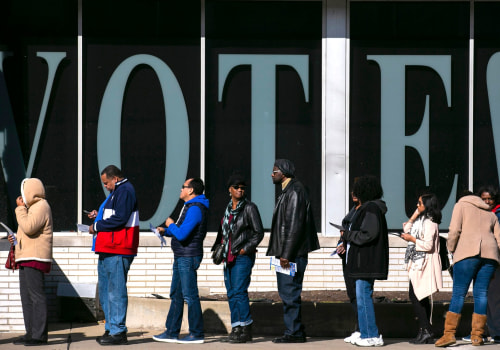
Northeast Ohio stands as a vibrant political landscape, characterized by a rich tapestry of candidates who bring diverse perspectives and experiences to the forefront. As voters prepare to make informed decisions at the polls, understanding the educational background of political candidates in Northeast Ohio becomes increasingly vital. Education not only shapes a candidate's worldview but also influences their policy priorities and governance style, making it a key factor in their political journey.The educational paths taken by these candidates vary widely, encompassing everything from local institutions to prestigious universities across the nation. Many candidates hold degrees in fields such as political science, law, and public administration, which provide them with essential knowledge and skills for effective leadership.
Others may come from backgrounds in business or social sciences, offering unique insights into economic and community issues that resonate deeply with constituents. This diversity in educational experiences enriches the political discourse and allows for a broader range of solutions to the challenges faced by the region.As we delve deeper into the profiles of these political candidates, it becomes clear that their educational backgrounds play a significant role in shaping their ideologies and campaign strategies. Candidates with strong academic foundations often demonstrate critical thinking abilities and a nuanced understanding of complex issues, which can enhance their appeal to voters seeking informed leadership. Moreover, education fosters a commitment to lifelong learning and adaptability—qualities that are essential in an ever-evolving political landscape.In this exploration of the importance of education in politics , we will uncover how the educational journeys of candidates influence not only their personal narratives but also the broader political environment in Northeast Ohio.
By examining these connections, voters can gain valuable insights into who these candidates are and what they stand for, ultimately empowering them to make choices that align with their values and community needs.
Understanding the Political Landscape in Northeast Ohio
Northeast Ohio is a region steeped in political history and characterized by a vibrant and often contentious political landscape. This area, which encompasses major cities such as Cleveland, Akron, and Youngstown, has long been a focal point for both local and national political movements. Understanding the intricacies of this political environment is essential for evaluating the educational backgrounds of candidates who seek to represent the diverse interests of their constituents.Historically, the political landscape in Northeast Ohio has been dominated by the Democratic Party, particularly in urban centers where issues like labor rights, healthcare access, and education reform resonate deeply with voters. The region's industrial past has fostered strong ties to labor unions, which have traditionally supported Democratic candidates.However, recent electoral cycles have revealed a shift in some suburban areas towards the Republican Party, indicating a more competitive political environment that reflects broader national trends.In addition to the two major parties, there is also a growing presence of third parties in Northeast Ohio. The Green Party and the Libertarian Party have gained traction among younger voters and those disillusioned with the traditional party system. This diversification of political affiliations adds complexity to the electoral landscape, as candidates must navigate not only party loyalty but also the evolving preferences of an increasingly engaged electorate.The voting trends in Northeast Ohio further illustrate this dynamic political environment. In recent elections, voter turnout has fluctuated significantly, influenced by factors such as local economic conditions, key ballot issues, and national political climate.
For instance, high-profile races often see increased voter engagement, while off-cycle elections may struggle to attract attention. Additionally, demographic shifts within the region—such as changes in population density and diversity—have also impacted voting patterns.Understanding these trends is crucial for evaluating how candidates position themselves within this complex landscape. Candidates often tailor their platforms based on prevailing political sentiments and demographic shifts within their constituencies. For example, those with strong ties to local universities or community organizations may prioritize education reform and workforce development initiatives in their campaigns.In conclusion, the political landscape of Northeast Ohio is multifaceted and continually evolving.
By examining the historical context of party dominance, emerging voting trends, and the influence of third-party movements, voters can gain valuable insights into the qualifications and perspectives of political candidates in this region. This understanding not only informs electoral choices but also highlights the importance of educational backgrounds in shaping effective leadership that resonates with community needs.
Common Educational Paths for Political Candidates
In Northeast Ohio, the educational backgrounds of political candidates are as diverse as the communities they aim to serve. Understanding these common educational paths provides insight into how candidates formulate their policies and engage with constituents. The degrees held by these individuals often reflect their commitment to public service and their understanding of complex societal issues.Common Degrees Held by Candidates
- Political Science: This degree is one of the most prevalent among political candidates, offering a comprehensive understanding of government systems, political behavior, and public policy.
Graduates often emerge with critical analytical skills that are essential for effective governance.
- Law Degrees: Many candidates possess a Juris Doctor (JD) degree, which equips them with a deep understanding of legal frameworks and legislative processes. This background is particularly beneficial for those involved in crafting laws or advocating for legal reforms.
- Public Administration: Degrees in public administration focus on the management of public agencies and policies. Candidates with this educational background are often well-prepared for roles in local government, where they can apply their knowledge to improve community services.
- Business Administration: A background in business can be advantageous for candidates, especially those focused on economic development and fiscal responsibility. This education helps them understand budgeting, financial management, and economic policy.
- Communications: Effective communication is vital in politics.
Many candidates study communications to enhance their public speaking abilities and media relations skills, enabling them to convey their messages clearly and persuasively.
Popular Fields of Study
Beyond specific degrees, certain fields of study are particularly common among political candidates:
- Economics: A solid grasp of economic principles is crucial for addressing issues such as taxation, public spending, and economic inequality. Candidates with this background can better analyze the financial implications of their policies.
- Sociology: This field helps candidates understand social dynamics and community needs, which is essential for effective representation. Candidates trained in sociology are often more attuned to the challenges faced by diverse populations.
- Environmental Studies: With growing concerns about climate change and sustainability, candidates with backgrounds in environmental studies are well-positioned to advocate for policies that address ecological issues.
Notable Political Candidates and Their Educational Backgrounds
Northeast Ohio has produced a remarkable array of political candidates whose educational backgrounds have significantly shaped their careers and political ideologies.By examining the educational histories of these notable figures, we can gain insights into how their academic experiences have influenced their approaches to governance and public service.
Shontel Brown
Currently serving as a U. S. Representative, Shontel Brown graduated from Wright State University with a degree in Political Science. Her education provided her with a solid foundation in understanding governmental structures and public policy, which has been instrumental in her advocacy for community issues.Brown's academic background has enabled her to effectively engage with constituents and address their concerns, particularly in areas such as healthcare and education reform.
Marcia Fudge
Marcia Fudge
, who served as the Secretary of Housing and Urban Development, earned her degree in Business Administration from Ohio State University. This educational background has equipped her with a keen understanding of economic policies and urban development challenges. Fudge's ability to navigate complex housing issues stems from her academic training, allowing her to advocate for equitable housing solutions that benefit underserved communities.
Tim Ryan
Tim Ryan
, a long-serving Congressman, holds a degree in Political Science from Bowling Green State University. His education has profoundly influenced his legislative priorities, particularly in workforce development and education reform.
Ryan's academic experience has fostered a commitment to addressing the needs of working-class families, making him a prominent voice for economic justice in the region.
Nan Whaley
The former mayor of Dayton, Nan Whaley , graduated from The University of Dayton with a degree in Political Science. Her educational background has shaped her approach to local governance, emphasizing community engagement and participatory decision-making. Whaley's leadership style reflects her commitment to inclusivity and transparency, qualities that resonate with voters seeking authentic representation.The educational journeys of these candidates illustrate the profound impact that academic experiences can have on political effectiveness. As Northeast Ohio continues to evolve politically, the connection between education and leadership remains vital for fostering informed and responsive governance.Impact of Education on Political Success
The relationship between a candidate's educational background and their success in elections is a multifaceted one, particularly in the context of political candidates in Northeast Ohio.Education serves as a critical factor that can significantly influence various aspects of a candidate's campaign and overall appeal to voters.
Enhancing Credibility
One of the most immediate impacts of education on political success is the enhancement of a candidate's credibility. Voters often perceive candidates with advanced degrees or prestigious educational backgrounds as more knowledgeable and capable. This perception can be particularly important in a region like Northeast Ohio, where constituents are increasingly looking for leaders who can navigate complex issues such as healthcare, education reform, and economic development. Candidates who have pursued degrees in relevant fields—such as political science, law, or public administration—often find that their educational credentials bolster their arguments and policy proposals.
Networking Opportunities
Education also opens doors to valuable networking opportunities.
Many candidates leverage their alumni connections to build relationships with influential figures in politics, business, and community organizations. These networks can provide essential support during campaigns, from fundraising to endorsements. In Northeast Ohio, where local connections can make or break a campaign, having a strong educational network can be a decisive advantage.
Public Perception and Voter Trust
The public's perception of a candidate is another crucial element influenced by education. Voters often associate higher education with competence and integrity.
This association can lead to increased trust among constituents, which is vital for electoral success. Candidates who effectively communicate their educational experiences and how they relate to their policy positions are more likely to resonate with voters who value informed decision-making.
Correlation Between Education and Election Outcomes
Research has shown a positive correlation between education levels and election outcomes. Candidates with higher educational qualifications tend to perform better at the polls compared to those without similar credentials. This trend is particularly evident in competitive districts within Northeast Ohio, where voters prioritize candidates who demonstrate both expertise and a commitment to addressing local issues.In conclusion, while education alone does not guarantee electoral success for political candidates in Northeast Ohio, it undeniably plays a pivotal role in shaping their campaigns and influencing voter perceptions.
As the political landscape continues to evolve, understanding the impact of education on political success will remain essential for both candidates and voters alike.
Challenges Faced by Candidates with Diverse Educational Backgrounds
In the political landscape of Northeast Ohio, candidates with diverse educational backgrounds often encounter a unique set of challenges that can significantly impact their campaigns and overall success. While traditional educational paths, such as degrees from well-known universities, are often viewed as indicators of competence, candidates who come from non-traditional or less conventional educational experiences may face skepticism and bias from voters and political organizations alike.Perceptions of Qualifications
One of the most pressing challenges is the perception of qualifications. Voters frequently associate formal education with expertise and capability. This bias can lead to doubts about the abilities of candidates who lack conventional degrees, even if they possess valuable life experiences or practical knowledge gained through alternative routes.
For instance, a candidate who has excelled in community organizing or grassroots activism may struggle to gain traction if their educational background does not align with traditional expectations.
Impact on Campaign Strategies
The implications of these perceptions extend to campaign strategies as well. Candidates with diverse educational backgrounds may feel compelled to overemphasize their experiences or achievements to counteract biases. This can lead to a misalignment between their authentic selves and the personas they project during campaigns. For example, a candidate with a strong background in vocational training might focus heavily on their technical skills rather than their community engagement efforts, which could resonate more with voters.
Networking Disparities
Another challenge arises from networking disparities.
Candidates from affluent backgrounds often have access to better educational resources and connections that can enhance their political aspirations. In contrast, those from underprivileged backgrounds may find it more difficult to establish relationships with influential figures in politics or business, limiting their visibility and support. This disparity can create an uneven playing field where candidates with similar capabilities are not given equal opportunities due to their educational backgrounds.
Diverse Perspectives and Coalition Building
Moreover, the diversity of educational experiences among candidates can lead to differing viewpoints on key issues. While this diversity can enrich political discourse, it may also complicate coalition-building efforts among candidates who prioritize different approaches based on their educational philosophies.
For instance, candidates with a strong emphasis on theoretical knowledge may clash with those who advocate for practical solutions derived from hands-on experience.To address these challenges effectively, it is essential for political organizations and voters in Northeast Ohio to recognize the value of diverse educational backgrounds. Emphasizing inclusivity and understanding that effective leadership can emerge from various experiences will help create a more representative political environment that benefits all constituents.
Future Trends in Candidate Education in Northeast Ohio
As we look ahead, the educational landscape for political candidates in Northeast Ohio is poised for significant transformation. This evolution is driven by a variety of factors, including changing societal values, technological advancements, and the increasing complexity of political issues. Understanding these trends is essential for grasping how future candidates will be shaped and how they will engage with their constituents.Increased Focus on Practical Experience
One of the most notable trends is the growing emphasis on practical experience over traditional academic credentials.Voters are increasingly valuing candidates who have demonstrated real-world problem-solving skills and community engagement. This shift may lead to a rise in candidates with backgrounds in community organizing, social work, or grassroots activism. Such individuals often possess firsthand knowledge of the challenges faced by their communities, making them relatable and effective representatives.
Technological Proficiency
The digital age has transformed how political campaigns are conducted and how candidates interact with voters. Future political candidates will likely need to be technologically savvy, utilizing social media platforms and data analytics to reach their constituents effectively.Educational programs that focus on digital literacy, online campaigning strategies, and data-driven decision-making are expected to become more prevalent among aspiring politicians. This technological proficiency will not only enhance their campaign strategies but also enable them to engage with younger voters who are increasingly active online.
Interdisciplinary Studies
As political issues become more interconnected—encompassing areas such as economics, environmental science, and social justice—candidates may pursue interdisciplinary studies that provide a comprehensive understanding of these complex challenges. This trend could lead to a new generation of leaders who are not only well-versed in policy but also adept at navigating multifaceted societal issues. Candidates with interdisciplinary backgrounds may be better equipped to craft holistic solutions that address the diverse needs of their constituents.Diversity in Educational Backgrounds
The future of candidate education in Northeast Ohio is also likely to reflect a broader diversity in educational backgrounds.As society increasingly values inclusivity, we can expect to see more candidates emerging from non-traditional educational paths, including vocational training and alternative education programs. This diversity can enrich the political discourse by bringing varied perspectives and experiences into the conversation.In conclusion, the educational profiles of future political candidates in Northeast Ohio are set to evolve significantly. With an emphasis on practical experience, technological skills, interdisciplinary knowledge, and diverse educational backgrounds, the next generation of leaders will likely be more attuned to the complexities of modern governance. This evolution not only promises to enhance representation but also aims to create a political environment that is responsive to the needs of an increasingly diverse electorate.
FAQs About Educational Backgrounds of Political Candidates in Northeast Ohio
Understanding the educational backgrounds of political candidates in Northeast Ohio is essential for voters who want to make informed choices at the polls.Here are some frequently asked questions that can help clarify how education impacts candidate qualifications and perspectives.
- What types of degrees do political candidates in Northeast Ohio typically hold?
Many candidates possess degrees in fields such as political science, law, public administration, and business. These areas of study provide them with the necessary skills and knowledge to navigate the complexities of governance and public service. - Are there any notable universities that political candidates in Northeast Ohio attend?
Yes, several candidates have graduated from prominent institutions such as Cleveland State University, Case Western Reserve University, and The University of Akron. These universities are recognized for their strong programs in law, public policy, and political science. - How does educational background influence a candidate's political views?
A candidate's education can significantly shape their understanding of key issues, policy-making approaches, and overall political philosophy. For instance, those with a background in law may prioritize legal frameworks in their policies, while candidates with degrees in social sciences might focus on community needs and social justice. - Do all candidates have formal education?
While many candidates have formal education, some may come from non-traditional backgrounds or have gained experience through community involvement, military service, or entrepreneurship.This diversity can enrich the political landscape by bringing varied perspectives to the table.
- How can voters find out more about a candidate's educational background?
Voters can research candidates through official campaign websites, public records, and local news articles. Additionally, many candidates participate in forums or debates where they discuss their qualifications and experiences, providing further insight into their educational backgrounds.
Conclusion: The Importance of Education in Politics
In summary, the educational backgrounds of political candidates in Northeast Ohio are not merely a footnote in their biographies; they are foundational elements that shape their capabilities as leaders and their approaches to governance. Throughout this exploration, we have seen how education influences various aspects of a candidate's political journey, from their understanding of complex issues to their ability to engage with constituents effectively.Education equips candidates with critical skills necessary for public service.For instance, those who have pursued degrees in political science or law often possess a nuanced understanding of legislative processes and legal frameworks, which is essential for crafting effective policies. Similarly, candidates with backgrounds in public administration are trained to manage public resources efficiently and address community needs through informed decision-making.Moreover, the diversity of educational experiences among candidates enriches the political landscape. Candidates from various academic disciplines bring unique perspectives that can lead to innovative solutions for pressing local issues. For example, those with degrees in business administration may prioritize economic development initiatives, while candidates with a background in sociology might focus on social justice and community engagement.The importance of education extends beyond individual qualifications; it also impacts voter perceptions.
Voters often look for candidates who demonstrate a commitment to lifelong learning and adaptability. A candidate's educational journey can signal their dedication to understanding the complexities of governance and their readiness to tackle the challenges facing their communities.As Northeast Ohio continues to evolve politically, the role of education in shaping effective leaders will remain paramount. Voters are encouraged to consider not only the formal qualifications of candidates but also how their educational experiences inform their values and priorities. By doing so, constituents can make more informed choices at the polls, ultimately contributing to a more representative and responsive political environment.In conclusion, education is a vital component in the realm of politics, particularly for candidates in Northeast Ohio.
It serves as a catalyst for informed leadership and community engagement, ensuring that elected officials are well-equipped to address the diverse needs of their constituents.