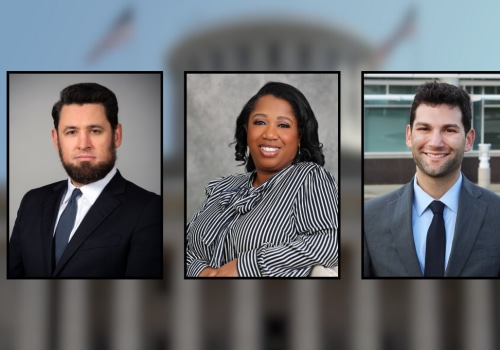
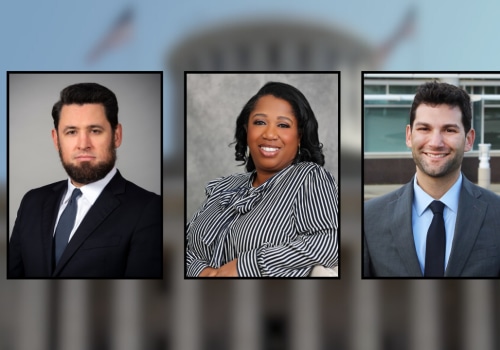
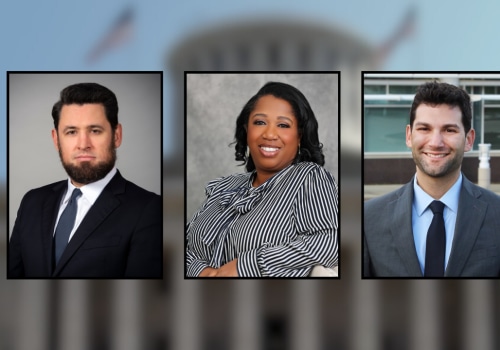
In recent years, immigration policies have emerged as a pivotal issue in the political landscape of Northeast Ohio. As the region grapples with demographic shifts and economic challenges, the political candidates in Northeast Ohio are increasingly vocal about their stances on immigration. This topic not only influences voter sentiment but also shapes the broader narrative of community identity and economic opportunity. The diverse fabric of Northeast Ohio is woven with the contributions of immigrants who have settled in cities like Cleveland, Akron, and Youngstown. As such, the positions taken by local candidates on immigration can significantly impact their electoral success.
Some candidates advocate for more inclusive policies that support immigrant communities, while others push for stricter regulations aimed at controlling immigration. Understanding these varying perspectives is crucial for voters who wish to align their choices with their values and the needs of their communities. This exploration of immigration policies will delve into how different political candidates in the region approach this complex issue. By examining their platforms, public statements, and legislative proposals, we can gain insight into how these candidates plan to address immigration in a way that resonates with their constituents. As we navigate through this critical topic, it becomes clear that the future of Northeast Ohio politics is intricately linked to the evolving discourse on immigration.
Overview of Immigration Policies in the United States
Understanding the landscape of U.S.immigration policies is essential for evaluating the positions of political candidates in Northeast Ohio. Over the years, immigration laws have evolved significantly, reflecting the changing attitudes and needs of the nation. Currently, U.S. immigration policy is characterized by a complex framework that includes various laws, regulations, and executive actions.At the federal level, key components of current immigration laws include:
- The Immigration and Nationality Act (INA): This foundational law governs immigration processes, including visas, asylum, and deportation procedures.
- Deferred Action for Childhood Arrivals (DACA): This program allows certain undocumented immigrants who came to the U.S.
as children to apply for deferred action from deportation.
- Temporary Protected Status (TPS): This designation provides temporary refuge to individuals from countries experiencing ongoing conflict or natural disasters.
This interplay shapes their proposals and promises as they seek to address the concerns of their constituents.
Key Political Candidates in Northeast Ohio
Northeast Ohio is home to a diverse array of political candidates who are shaping the region's future through their stances on various issues, including immigration policies. Understanding these candidates' backgrounds and political affiliations is crucial for voters looking to make informed decisions in upcoming local elections.- Shontel Brown - As a Democratic member of the U.S. House of Representatives, Shontel Brown has been vocal about her support for comprehensive immigration reform. She emphasizes the importance of creating pathways to citizenship and protecting the rights of immigrants, reflecting her commitment to inclusivity in her policies.
- Mike DeWine - The Republican Governor of Ohio, Mike DeWine, has taken a more conservative approach to immigration.
His administration has focused on border security and enforcing existing immigration laws, which resonates with his base but raises concerns among immigrant advocacy groups.
- Marcia Fudge - Another prominent Democratic figure, Marcia Fudge, has served as Secretary of Housing and Urban Development. Her policies often align with progressive values, advocating for immigrant rights and community support programs that assist immigrant populations in Northeast Ohio.
- Josh Mandel - A former state treasurer and Republican candidate for U.S. Senate, Josh Mandel has expressed strong opposition to illegal immigration. His campaign focuses on stricter enforcement measures and reducing the number of immigrants entering the country without proper documentation.
As local elections approach, their positions will likely influence voter sentiment and engagement in the community.
Stances on Immigration Policies by Major Candidates
In Northeast Ohio, the political candidates are presenting a diverse array of views on immigration policies, reflecting the region's unique demographic and economic landscape. As the 2024 elections approach, understanding these stances is crucial for voters.Democratic Candidates
- Candidate A: Advocates for a pathway to citizenship for undocumented immigrants, emphasizing the contributions of immigrants to local economies. Candidate A has publicly stated that "immigrants are vital to our workforce and community fabric," and supports comprehensive immigration reform that includes protections for DACA recipients.
- Candidate B: Focuses on humanitarian aspects, calling for increased support for refugees and asylum seekers. They argue that Northeast Ohio should be a welcoming place for those fleeing violence and persecution, highlighting the moral obligation to assist vulnerable populations.
Republican Candidates
- Candidate C: Takes a hardline stance on immigration, advocating for stricter border controls and enforcement of existing immigration laws.
Candidate C has been vocal about the need to prioritize American jobs, stating that "we must ensure that our resources are reserved for those who have followed the rules."
- Candidate D: While supporting border security, Candidate D also acknowledges the importance of skilled immigrants in sectors like technology and healthcare. They propose a merit-based immigration system that would allow more professionals to enter the workforce legally.
Public Opinion on Immigration in Northeast Ohio
In Northeast Ohio, public opinion on immigration plays a crucial role in shaping the positions of political candidates. Recent surveys indicate that voter sentiment is deeply divided, reflecting a complex tapestry of views influenced by economic, social, and cultural factors.According to a recent poll conducted by the Ohio Polling Institute, approximately 45% of respondents expressed support for more stringent immigration policies, citing concerns over job competition and public safety.Conversely, 35% of those surveyed advocated for more inclusive policies, emphasizing the contributions of immigrants to the local economy and community diversity.
Key Factors Influencing Public Opinion
- Economic Impact: Many voters are concerned about how immigration affects local job markets. Candidates who address these economic anxieties often gain traction.
- Cultural Integration: The integration of immigrant communities into the fabric of Northeast Ohio is viewed positively by many residents, leading to support for policies that promote inclusivity.
- Safety and Security: Concerns about crime and safety remain paramount for a significant portion of the electorate, influencing their stance on immigration reform.
Candidates who can effectively navigate this landscape may find themselves better positioned to win support from a diverse electorate in Northeast Ohio.
Comparative Analysis of Candidates' Immigration Policies
In examining the immigration policies of political candidates in Northeast Ohio, it becomes evident that there are significant differences in their approaches. This comparative analysis highlights the key positions of several prominent candidates, providing voters with a clearer understanding of where each stands on this critical issue.Candidate A: Emphasis on Reform
Candidate A advocates for comprehensive immigration reform, focusing on pathways to citizenship for undocumented immigrants. They argue that such measures would not only enhance community integration but also boost the local economy by allowing immigrants to contribute more fully.Candidate B: Strict Enforcement
In contrast, Candidate B takes a hardline stance, prioritizing strict enforcement of existing immigration laws. They propose increasing funding for border security and implementing measures to deport individuals who are in the country illegally.This approach resonates with constituents who prioritize national security and job protection.
Candidate C: Balanced Approach
Candidate C offers a middle-ground solution, advocating for both enhanced border security and a streamlined process for legal immigration. They emphasize the importance of maintaining a secure border while also recognizing the contributions of immigrants to the workforce.Key Similarities and Differences
- Pathways to Citizenship: Candidate A supports this, while Candidate B opposes it.
- Border Security: Candidate B calls for increased funding, whereas Candidate C seeks a balanced approach.
- Community Integration: Candidate A emphasizes integration, contrasting with Candidate B's focus on enforcement.
Impact of Immigration Policies on Local Communities
The proposed immigration policies by political candidates in Northeast Ohio have significant implications for local communities, influencing various aspects of daily life, economy, and social dynamics. Understanding these impacts is crucial for residents as they navigate the complexities of these policies.Economic Contributions
- Immigrants often fill essential roles in the workforce, particularly in sectors like agriculture, manufacturing, and healthcare.
Candidates advocating for more inclusive immigration policies argue that these individuals contribute to the local economy by filling labor shortages and driving innovation.
- Conversely, stricter immigration policies could lead to labor shortages, affecting local businesses and potentially increasing costs for consumers.
Social Integration and Community Response
- The response of local communities to immigration can vary widely. Some neighborhoods have embraced diversity, fostering multicultural events and initiatives that celebrate different heritages.
- However, there are also communities where fear and misunderstanding about immigrants prevail, often fueled by political rhetoric. Candidates' stances on immigration can either alleviate or exacerbate these tensions.
Public Services and Resources
- Changes in immigration policy can impact public services such as education and healthcare. For instance, an influx of immigrant families may strain local schools but also enrich them with diverse perspectives.
- Political candidates who prioritize comprehensive immigration reform may advocate for increased funding for public services to accommodate growing populations.
As residents consider their options during elections, understanding these potential impacts is essential for making informed decisions that align with their values and community needs.
Frequently Asked Questions about Immigration Policies and Candidates
As the political landscape in Northeast Ohio evolves, many residents have questions about how political candidates in Northeast Ohio approach immigration policies. Here are some frequently asked questions that shed light on this important topic.- What are the main immigration policy positions of candidates in Northeast Ohio?
Candidates often have varied stances on immigration, ranging from advocating for comprehensive reform to supporting stricter enforcement measures. Many candidates emphasize the need for a balanced approach that considers both humanitarian aspects and national security. - How do local candidates address the concerns of immigrant communities?
Many candidates engage with immigrant communities through town halls and forums, seeking to understand their unique challenges. They may propose policies aimed at improving access to services, education, and legal assistance for immigrants. - Are there any significant differences between Democratic and Republican candidates on immigration?
Generally, Democratic candidates tend to support more inclusive immigration policies, advocating for pathways to citizenship and protections for undocumented immigrants.In contrast, Republican candidates may focus on border security and enforcement, often calling for stricter immigration laws.
- What role do local businesses play in shaping candidates' immigration policies?
Local businesses often advocate for policies that support workforce needs, which can influence candidates' positions. Many candidates recognize that a diverse workforce is essential for economic growth and may align their policies accordingly. - How can voters stay informed about candidates' immigration policies?
Voters can stay informed by attending candidate forums, reviewing campaign websites, and following local news coverage. Engaging with community organizations that focus on immigration issues can also provide valuable insights into candidates' positions.
Conclusion: The Future of Immigration Policies in Northeast Ohio Politics
As we reflect on the current landscape of political candidates in Northeast Ohio, it is evident that immigration policies are a pivotal issue shaping their platforms.Throughout this discussion, we have seen a diverse array of perspectives, each influenced by the unique demographics and economic conditions of the region.Many candidates advocate for a balanced approach to immigration, recognizing its importance in fostering economic growth while also addressing community concerns. For instance, some candidates emphasize the need for comprehensive reform that not only secures borders but also provides pathways to citizenship for undocumented immigrants who contribute to the local economy.On the other hand, there are candidates who adopt a more stringent stance, focusing on enforcement and border security. This reflects a broader national trend where immigration has become a polarizing topic. The differing views among candidates highlight the complexity of public opinion in Northeast Ohio, where many residents have personal stories tied to immigration.Looking ahead, the implications of these stances are significant.
As elections approach, candidates will need to navigate the delicate balance between appealing to their base and addressing the needs of a diverse electorate. The outcome of these political battles will not only shape local policies but could also influence broader state and national discussions on immigration.In conclusion, the future of immigration policies in Northeast Ohio will largely depend on how well these political candidates can articulate their visions and respond to the evolving needs of their constituents. Voter engagement and advocacy will play crucial roles in determining which policies take precedence in the coming years.