The political landscape of Northeast Ohio is a vibrant tapestry woven from the diverse threads of its communities. As the region continues to evolve, the racial diversity among political candidates has emerged as a critical factor in shaping governance and representation. This diversity is not merely a reflection of demographic changes; it signifies a profound shift in the political narrative, where voices from various racial and ethnic backgrounds are increasingly stepping into leadership roles. Understanding this dynamic is essential for grasping the complexities of political representation in Northeast Ohio.Historically, the political arena in this region has been dominated by a homogenous group of candidates, often sidelining the perspectives and needs of minority communities.
However, recent trends indicate a significant transformation. The rise of candidates from diverse backgrounds is not just about numbers; it represents a growing recognition of the importance of inclusivity in politics. As these candidates bring their unique experiences and viewpoints to the forefront, they challenge traditional power structures and advocate for policies that resonate with a broader electorate.This shift towards greater representation in politics is crucial for fostering an environment where all constituents feel heard and valued. As we delve deeper into the implications of this diversity among political candidates in Northeast Ohio, it becomes clear that their presence can lead to more equitable policies and enhanced civic engagement.
The journey towards a more inclusive political landscape is ongoing, but the increasing visibility of diverse candidates marks a promising step forward for the region's democratic process.
Historical Context of Racial Diversity in Northeast Ohio Politics
The journey towards racial diversity among political candidates in Northeast Ohio is deeply rooted in the region's complex history. Understanding this evolution is essential for grasping the current dynamics of political representation and the ongoing efforts to create a more inclusive political landscape.In the early 20th century, Northeast Ohio's political scene was predominantly characterized by white male candidates, reflecting broader national trends. However, significant demographic changes began to unfold, particularly during the Great Migration, when a substantial number of African Americans relocated from the rural South to urban centers in the North, including Cleveland and Akron. This migration not only transformed the population dynamics but also ignited a newfound political engagement among African Americans.By the 1960s and 1970s, the civil rights movement catalyzed a push for greater representation.A landmark moment occurred in 1967 when Carl Stokes was elected as Cleveland's first African American mayor. His election was not merely a victory for one individual; it symbolized a breakthrough for racial diversity in political candidacy and inspired future generations of minority candidates to pursue public office.Throughout the late 20th century, various minority groups began to emerge as viable candidates. Organizations dedicated to supporting minority candidates played a pivotal role in this evolution. Initiatives focused on training and mentoring aspiring politicians from diverse backgrounds contributed significantly to fostering an inclusive political environment.Today, while challenges persist, the landscape of political candidates in Northeast Ohio is increasingly diverse.
The presence of candidates from various racial and ethnic backgrounds reflects not only demographic changes but also a growing recognition of the importance of representation in governance. This historical context serves as a foundation for understanding how past events have shaped current dynamics and continue to influence the future of political representation in Northeast Ohio.
Current Demographics of Political Candidates in Northeast Ohio
In recent years, the demographics of political candidates in Northeast Ohio have undergone significant transformation, reflecting broader societal changes and the increasing demand for representation across various communities. This shift is particularly evident in urban centers like Cleveland and Akron, where the population is not only diverse but also increasingly engaged in the political process.According to recent statistics, approximately 30% of candidates running for various offices in Northeast Ohio identify as people of color. This marks a notable increase from previous election cycles, where the percentage was around 20%.The rise in diversity among candidates is particularly pronounced in urban areas, where minority populations are more substantial and politically active.
Racial Breakdown of Candidates
- Black Candidates: Representing about 15% of the total candidates, Black individuals have made significant strides in local elections, particularly in city council and school board positions. Their presence has been instrumental in addressing issues that resonate with their communities.
- Latino Candidates: Comprising roughly 10% , Latino candidates are increasingly visible on the political stage, with several vying for state legislative seats. Their candidacies often focus on immigration reform, education, and healthcare access.
- AAPI Candidates: Asian American and Pacific Islander candidates account for about 5% , reflecting a growing engagement in political processes. These candidates bring unique perspectives that address the needs of their communities.
Grassroots movements and voter engagement initiatives have played a crucial role in encouraging individuals from diverse backgrounds to enter the political arena. As these candidates emerge, they bring unique perspectives and experiences that resonate with a broader electorate.The implications of this demographic shift are profound. As the pool of political candidates in Northeast Ohio continues to diversify, it is expected to influence policy discussions and priorities significantly. Voters are encouraged to stay informed about these candidates' backgrounds and platforms, as their diverse experiences can lead to more inclusive governance that addresses the unique challenges faced by all constituents.
Impact of Racial Diversity on Election Outcomes
The impact of racial diversity among political candidates in Northeast Ohio extends far beyond mere representation; it significantly influences election outcomes and voter engagement.As the demographic landscape of the region evolves, the presence of diverse candidates can reshape the political discourse, making it more inclusive and reflective of the community's varied experiences.Research indicates that when voters encounter candidates who share similar backgrounds or life experiences, they are more likely to engage in the electoral process. This connection fosters a sense of trust and relatability, which can enhance voter turnout, particularly among minority communities that have historically felt marginalized. In Northeast Ohio, where communities of color are expanding, the emergence of diverse candidates serves as a catalyst for mobilizing these voters, encouraging them to express their concerns and priorities through their votes.
Impact on Candidate Success Rates
The success rates of political candidates in Northeast Ohio are also influenced by their racial diversity. Candidates from underrepresented backgrounds often bring unique perspectives that resonate with constituents who feel their needs are being prioritized.This can lead to:
- Increased Voter Turnout: Diverse candidates tend to drive higher participation rates among minority voters, as these individuals may feel more compelled to support someone who understands their challenges.
- Broader Appeal: Candidates who embrace diversity often attract a wider range of supporters, including those outside their immediate demographic. This broad appeal can be crucial in competitive races.
- Enhanced Policy Focus: A diverse candidate pool frequently leads to a focus on policies that address systemic inequalities and social justice issues, which are vital for many constituents.
By recognizing and supporting diverse candidates, voters can play a pivotal role in shaping a political environment that truly represents the rich tapestry of their communities.
Challenges Faced by Diverse Political Candidates
Racially diverse political candidates in Northeast Ohio encounter a range of challenges that can significantly impact their ability to successfully navigate the political landscape. Understanding these obstacles is essential for fostering a more inclusive political environment that encourages diverse voices to emerge and thrive.Access to Resources
One of the most pressing barriers faced by diverse candidates is the lack of access to essential resources. This includes funding, mentorship, and networking opportunities that are often crucial for running a competitive campaign. Many candidates from underrepresented backgrounds may not have the same financial backing or connections as their more established counterparts, making it difficult to gain visibility and support.Without adequate resources, these candidates may struggle to communicate their platforms effectively or reach potential voters.
Voter Perception and Bias
Another significant challenge is the influence of racial biases on voter perception. Studies have shown that voters may harbor preconceived notions about candidates based on their race, which can lead to skepticism regarding their qualifications and capabilities. This bias can manifest in various ways, from questioning a candidate's experience to outright discrimination at the polls. Such perceptions can discourage diverse candidates from pursuing office or diminish their chances of success.Institutional Barriers
The political system itself can present additional challenges for diverse candidates.Issues such as gerrymandering and voter suppression tactics disproportionately affect communities of color, limiting electoral opportunities for candidates who represent these populations. These institutional barriers can create an uneven playing field, making it even more difficult for diverse candidates to gain traction in their campaigns.
Lack of Representation in Leadership
A further challenge arises from the lack of representation among established political leaders. When there are few role models or advocates in positions of power, it can create an environment where diverse candidates feel isolated or unsupported. This absence of representation can discourage potential candidates from pursuing political office, perpetuating a cycle of underrepresentation.Addressing these challenges requires a concerted effort from both the community and political organizations.Initiatives aimed at providing training, resources, and support for diverse candidates are essential for leveling the playing field. Additionally, fostering an inclusive political culture that values diversity will be crucial in overcoming these barriers and ensuring that all voices are heard in Northeast Ohio's political arena.
Success Stories: Notable Diverse Candidates in Northeast Ohio
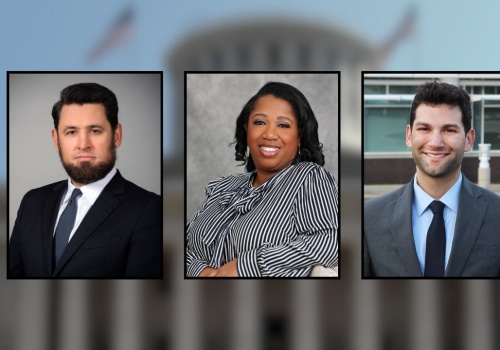
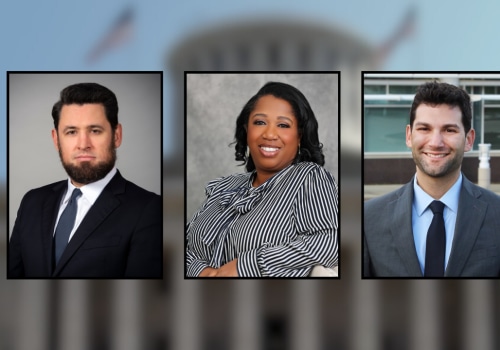
Northeast Ohio has witnessed a remarkable transformation in its political landscape, with a growing number of diverse candidates stepping into leadership roles. These individuals not only represent their communities but also bring unique perspectives that enrich the political discourse. Here are some notable success stories of racially diverse political candidates who have made significant contributions to their communities.Shontel Brown
Shontel Brown made history as the first African American woman to represent Ohio's 11th Congressional District after her election in 2021. Her journey to Congress is a testament to her dedication to public service and community engagement.Brown has focused on critical issues such as healthcare access , economic development, and social justice. Her advocacy for marginalized groups has not only amplified their voices but also inspired many young leaders in her district.
Justin Bibb
At just 34 years old, Justin Bibb became the youngest mayor of Cleveland in 2021. His election marked a significant shift in the city's leadership, emphasizing inclusivity and collaboration. Bibb's administration has prioritized initiatives aimed at improving public safety, enhancing city services, and fostering economic growth. His approach reflects the diverse fabric of Cleveland, as he actively seeks input from various community stakeholders to shape policies that resonate with all residents.Monique Smith
A member of the Cuyahoga County Council, Monique Smith has been a powerful advocate for housing equity and public health.Her commitment to addressing affordable housing solutions has garnered attention from various community organizations and stakeholders. Smith's work exemplifies how diverse candidates can drive meaningful change by focusing on issues that directly impact their constituents.
Impact on Community Engagement
The success of these candidates highlights the importance of representation in politics. Their achievements not only inspire future leaders from underrepresented backgrounds but also encourage greater civic engagement among community members. As more diverse candidates emerge, they pave the way for a more inclusive political landscape that addresses the unique challenges faced by all constituents in Northeast Ohio.In conclusion, the stories of Shontel Brown, Justin Bibb, and Monique Smith serve as powerful reminders of the potential for diverse leadership to shape policies that resonate with a broad electorate.Their journeys encourage others from similar backgrounds to pursue political office, ultimately enriching the democratic process in Northeast Ohio.
Future Trends in Racial Diversity Among Political Candidates
As we look ahead to the future of political representation in Northeast Ohio, several key trends are emerging that promise to reshape the landscape of racial diversity among political candidates. These trends are influenced by demographic shifts, societal changes, and evolving political engagement strategies.Demographic Shifts
- Growing Minority Populations: The population in Northeast Ohio is becoming increasingly diverse, particularly with significant growth in Hispanic and Asian communities. This demographic evolution is likely to inspire a new wave of candidates who seek to represent these communities and their unique concerns.
- Younger Voter Engagement: Young voters, especially those from minority backgrounds, are becoming more politically active. Their increasing participation can lead to a demand for candidates who prioritize issues such as equity, social justice, and community representation.
Political Engagement and Activism
- Grassroots Movements: Local organizations and grassroots initiatives are playing a pivotal role in encouraging individuals from underrepresented backgrounds to run for office.
Programs that focus on training and mentoring aspiring politicians can significantly enhance the visibility and viability of diverse candidates in future elections.
- Utilization of Social Media: The rise of social media platforms has transformed how candidates connect with voters. These platforms allow candidates to share their stories, engage with diverse voter bases, and promote their platforms effectively, thereby increasing their chances of success.
Institutional Changes
- Diversity in Candidate Selection: Political parties in Northeast Ohio may begin to prioritize diversity in their candidate selection processes. This could involve implementing policies that actively seek out candidates from various racial and ethnic backgrounds, ensuring that the political landscape reflects the community it serves.
- Accountability and Representation: As public demand for accountability grows, there may be increased pressure on political institutions to mirror the diversity of their constituents. This shift could lead to more inclusive candidate slates that better represent the electorate's interests.
As societal norms evolve and demographic changes continue, we can anticipate a more representative political landscape that not only reflects the rich tapestry of the region but also addresses the unique challenges faced by its diverse communities.
FAQs About Racial Diversity Among Political Candidates in Northeast Ohio
Understanding the dynamics of racial diversity among political candidates in Northeast Ohio is essential for grasping the region's evolving political landscape. Below are some frequently asked questions that provide insight into this important topic:What is the current racial composition of political candidates in Northeast Ohio?
The racial composition of political candidates in Northeast Ohio has seen significant changes in recent years. Historically, the political arena was predominantly occupied by white candidates. However, recent elections have witnessed a marked increase in candidates from diverse backgrounds, including African American, Hispanic, Asian American, and other minority groups.This shift reflects broader demographic changes within the region and a growing demand for representation that mirrors the community's diversity.
How does racial diversity among candidates impact voter engagement?
Racial diversity among political candidates can profoundly enhance voter engagement. When constituents see candidates who share similar backgrounds and experiences, they often feel a stronger connection to the electoral process. This connection can lead to increased voter turnout, particularly among minority communities that may have felt marginalized by traditional political structures. Engaging with diverse candidates can empower these communities to voice their concerns and participate actively in shaping policies that affect their lives.Are there organizations promoting diversity among political candidates in Northeast Ohio?
Yes, several organizations are dedicated to promoting diversity in politics within Northeast Ohio.Groups such as the Northeast Ohio Coalition for the Homeless , Ohio Democratic Party , and various grassroots initiatives focus on supporting underrepresented candidates. These organizations often provide resources such as training programs, mentorship opportunities, and networking events aimed at empowering diverse individuals to pursue political office.
What challenges do diverse candidates face in Northeast Ohio?
Diverse candidates often encounter numerous challenges that can hinder their political aspirations. Some of these challenges include:- Limited Access to Resources: Many candidates from underrepresented backgrounds struggle with securing funding, mentorship, and essential networks that are crucial for running competitive campaigns.
- Voter Perception: Racial biases can influence how voters perceive diverse candidates, leading to skepticism regarding their qualifications or capabilities.
- Institutional Barriers: The political system itself may present obstacles such as gerrymandering or voter suppression tactics that disproportionately affect communities of color.
- Lack of Representation: A scarcity of established leaders from diverse backgrounds can create an environment where new candidates feel isolated or unsupported.
How can voters support diverse political candidates?
Voters play a crucial role in supporting diverse candidates by actively engaging with their campaigns. Here are some ways to contribute:- Research Candidates: Take the time to learn about the platforms and backgrounds of diverse candidates running for office.
- Attend Community Events: Participate in local events where candidates speak or engage with constituents to better understand their priorities.
- Volunteer or Donate: Contributing time or resources to campaigns can significantly impact a candidate's ability to reach voters.
Conclusion: The Importance of Racial Diversity in Political Representation
As we reflect on the evolving landscape of political candidates in Northeast Ohio, it becomes increasingly clear that racial diversity is not merely a matter of representation; it is a fundamental component of effective governance.The presence of candidates from various racial and ethnic backgrounds enriches the political discourse, ensuring that a multitude of perspectives are considered in decision-making processes.The historical context outlined earlier illustrates how far the region has come in terms of inclusivity. From the early dominance of white male candidates to the current landscape where approximately 30% of candidates identify as people of color, this shift signifies a growing recognition of the importance of diverse voices in politics. Such representation is crucial for addressing the unique challenges faced by different communities, particularly in a region as diverse as Northeast Ohio.Moreover, the impact of racial diversity extends beyond mere numbers. It fosters greater voter engagement, particularly among minority communities who may feel more connected to candidates who share similar backgrounds and experiences.
This connection can lead to increased voter turnout and participation, which are vital for a healthy democracy.However, challenges remain. Diverse candidates often face systemic barriers that can hinder their electoral success. Addressing these obstacles requires concerted efforts from both political organizations and the community at large. Initiatives aimed at providing resources, mentorship, and support for underrepresented candidates are essential for leveling the playing field.In conclusion, the importance of racial diversity among political candidates in Northeast Ohio cannot be overstated.
As we move forward, it is imperative that we continue to advocate for inclusive representation that reflects the rich tapestry of our communities. By doing so, we not only enhance our political landscape but also ensure that all voices are heard and valued in the governance process.