Northeast Ohio is a region rich in history and cultural diversity, which is reflected in its political candidates. Understanding the backgrounds of these candidates is essential for voters who wish to make informed choices at the ballot box. The political landscape here is not just shaped by party affiliation but also by the unique experiences and professional journeys of those who seek public office. As the region continues to evolve, so too do the profiles of its political candidates, making it crucial to explore how their backgrounds influence their platforms and voter engagement.The candidates emerging from Northeast Ohio often come from a variety of sectors, including healthcare, education, manufacturing, and technology.
This diversity in professional experience enriches the political discourse and allows for a broader range of perspectives on pressing issues such as economic development, healthcare access, and educational reform. For instance, a candidate with a background in healthcare may prioritize policies aimed at improving public health services, while one from the tech industry might focus on digital infrastructure and innovation. Such varied backgrounds not only inform their policy priorities but also resonate with different segments of the electorate.Moreover, as voters become increasingly engaged and informed about local issues, understanding the backgrounds of political candidates in Northeast Ohio becomes even more critical. Voter engagement is often driven by personal connections to candidates' experiences and their ability to address community needs effectively.
By examining the professional histories and motivations of these individuals, voters can better align their values with those who represent them. In this way, the exploration of political candidates' backgrounds serves as a vital lens through which to view the evolving political landscape of Northeast Ohio.
The Political Landscape of Northeast Ohio
The political landscape of Northeast Ohio is a complex and dynamic environment shaped by a rich history, diverse political affiliations, and active civic engagement. Understanding this landscape requires a look at the historical context that has influenced the region's political evolution.Historically, Northeast Ohio has been a microcosm of American political trends, reflecting broader national movements while also exhibiting unique local characteristics. The region has experienced significant demographic shifts over the decades, particularly with the decline of manufacturing jobs and the rise of service-oriented industries.These changes have influenced voter priorities and party affiliations, leading to a more nuanced political climate.
Major Political Parties
- Democratic Party: Traditionally dominant in urban areas such as Cleveland, the Democratic Party focuses on issues like healthcare access, education reform, and social justice. Candidates from this party often advocate for policies that aim to address systemic inequalities and improve public services.
- Republican Party: Gaining ground in suburban and rural areas, the Republican Party emphasizes economic growth, tax reform, and public safety. Candidates often position themselves as champions of fiscal responsibility and business-friendly policies, appealing to constituents concerned about economic stability.
Civic Engagement Trends
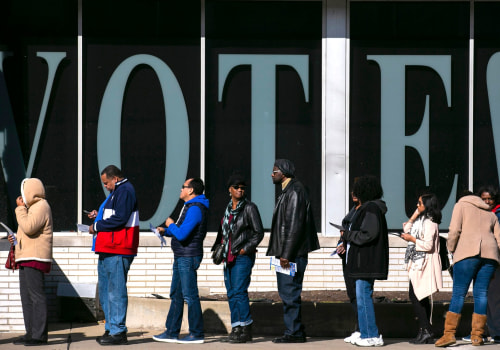
Civic engagement in Northeast Ohio has seen a resurgence in recent years, particularly among younger voters.
Increased participation in local elections reflects a growing awareness of the importance of grassroots movements and community involvement. Initiatives aimed at voter registration and education have empowered residents to take an active role in shaping their political landscape.Moreover, local organizations and advocacy groups have played a pivotal role in mobilizing citizens around key issues such as environmental sustainability, education funding, and healthcare access. This grassroots activism not only influences election outcomes but also fosters a culture of accountability among elected officials.In summary, the political landscape of Northeast Ohio is characterized by its historical context, major party dynamics, and vibrant civic engagement. As the region continues to evolve, understanding these elements will be crucial for both voters and candidates navigating the complexities of local politics.
Major Political Parties and Their Influence
Northeast Ohio's political landscape is significantly shaped by the two major political parties: the Democratic Party and the Republican Party.Each party not only influences the candidates who emerge from the region but also dictates the issues that are prioritized during campaigns and governance.
Democratic Party in Northeast Ohio
The Democratic Party has historically held a strong presence in urban areas of Northeast Ohio, particularly in cities like Cleveland. This dominance is rooted in a commitment to social justice, healthcare access, and educational reform. Candidates from this party often come from backgrounds in public service, education, and healthcare, reflecting the party's focus on community welfare and support for marginalized groups.- Healthcare Initiatives: Democratic candidates frequently advocate for expanding healthcare access, emphasizing policies that aim to reduce costs and improve services for all residents.
- Education Reform: Many candidates prioritize funding for public education, aiming to enhance resources for schools and support for teachers.
- Social Justice: Issues such as criminal justice reform and affordable housing are central to Democratic platforms, with candidates often drawing on personal experiences to highlight these challenges.
Republican Party in Northeast Ohio
The Republican Party , while traditionally stronger in suburban and rural areas, has been gaining traction in various parts of Northeast Ohio. This party emphasizes economic growth, tax reform, and public safety.Candidates often come from business backgrounds or law enforcement, which shapes their policy priorities.
- Economic Development: Republican candidates typically focus on job creation and attracting businesses to stimulate local economies. Their platforms often include tax incentives for businesses and deregulation efforts.
- Public Safety: Many candidates prioritize law enforcement funding and community safety initiatives, appealing to constituents concerned about crime rates.
- Infrastructure Improvements: A common theme among Republican candidates is the need for better infrastructure, including roads and public transportation systems, which they argue are essential for economic growth.
Key Industries Represented by Political Candidates
The political candidates in Northeast Ohio emerge from a variety of industries, each bringing unique perspectives and experiences that significantly influence their policy priorities and campaign strategies.Understanding these backgrounds is essential for voters who wish to grasp how candidates' professional histories shape their approaches to governance.
Manufacturing Candidates
Manufacturing has long been a cornerstone of the Northeast Ohio economy, and many political candidates hail from this sector. With a rich history in steel production, automotive parts, and machinery, candidates with manufacturing backgrounds often advocate for policies that promote job creation and economic revitalization. For instance, they may focus on:- Workforce Development: Candidates emphasize the importance of training programs that equip workers with the skills needed for modern manufacturing jobs.
- Infrastructure Improvements: Many advocate for investments in infrastructure to support local manufacturing facilities, ensuring they remain competitive.
- Support for Small Businesses: Candidates often push for policies that assist small manufacturers, recognizing their role in job creation and economic stability.
Healthcare Candidates
The healthcare industry is another significant source of political candidates in Northeast Ohio. With major institutions like the Cleveland Clinic and University Hospitals, many candidates come from backgrounds in healthcare management, nursing, or public health.Their experiences shape their views on critical issues such as:
- Access to Healthcare: Candidates often prioritize expanding healthcare coverage and addressing disparities in access to medical services.
- Mental Health Initiatives: Many advocate for increased funding and resources dedicated to mental health services, reflecting a growing awareness of its importance.
- Public Health Policies: Candidates frequently focus on initiatives aimed at improving community health outcomes through preventive care and education.
Education Candidates
The education sector also plays a vital role in shaping the political landscape of Northeast Ohio. Numerous candidates emerge from teaching or administrative roles within schools and universities. Their firsthand experiences allow them to address key issues such as:- Funding for Public Education: Candidates often campaign on the need for increased funding to ensure that schools have the resources necessary to provide quality education.
- Educational Reform: Many advocate for reforms aimed at improving student outcomes, including curriculum updates and teacher support initiatives.
- Community Engagement: Candidates frequently emphasize the importance of involving parents and community members in educational decision-making processes.
Profiles of Notable Candidates from Various Industries
In Northeast Ohio, the political landscape is enriched by a diverse array of candidates who bring unique perspectives shaped by their professional backgrounds.This section highlights notable political figures from key industries, illustrating how their experiences inform their political agendas and resonate with constituents.
Healthcare Candidates
The healthcare sector is a significant contributor to the political fabric of Northeast Ohio, with candidates often advocating for policies that enhance public health and access to medical services. One prominent figure is Dr. Emily Carter , a physician with over 15 years of experience in community health. Dr.Carter's campaign focuses on expanding healthcare access, particularly for underserved populations. Her firsthand experience in treating patients informs her advocacy for affordable healthcare solutions and mental health resources, making her a compelling candidate for voters concerned about health equity.
Manufacturing Leaders
Manufacturing remains a cornerstone of the Northeast Ohio economy, and candidates from this sector often emphasize job creation and economic revitalization. Mark Thompson , a former plant manager at a local automotive manufacturing facility, has transitioned into politics with a platform centered on workforce development and innovation. His deep understanding of the challenges facing the manufacturing industry allows him to advocate effectively for policies that support local businesses and promote sustainable job growth.Education Advocates
The education sector also plays a vital role in shaping political candidates in the region.Linda Garcia , a former school superintendent, has dedicated her campaign to improving public education funding and advocating for teacher support. Her extensive background in educational administration provides her with insights into the systemic challenges faced by schools, enabling her to propose informed solutions that prioritize student success and teacher retention.
Technology Innovators
As technology continues to evolve, candidates with backgrounds in this field are becoming increasingly influential. Alex Lee , a tech entrepreneur and advocate for digital literacy, has entered the political arena with a focus on enhancing digital infrastructure and cybersecurity measures. His experience in the tech industry positions him as a forward-thinking candidate who understands the importance of innovation in driving economic growth and preparing the workforce for future challenges.These profiles exemplify how candidates from various industries contribute to the political discourse in Northeast Ohio.Their unique experiences not only enrich the political dialogue but also ensure that diverse community interests are represented in local governance.
Impact of Industry Background on Campaign Strategies
The industry backgrounds of political candidates in Northeast Ohio play a pivotal role in shaping their campaign strategies, voter appeal, and policy priorities. Candidates often leverage their professional experiences to connect with constituents, tailoring their messages to resonate with the specific needs and concerns of the electorate.Campaign Strategies Tailored to Industry Expertise
Candidates from various industries typically adopt campaign strategies that reflect their professional backgrounds. For instance, those with roots in the manufacturing sector may emphasize job creation and economic revitalization in their platforms. They often advocate for policies that support local industries, such as tax incentives for manufacturers or investments in workforce development programs.
This focus not only aligns with the interests of voters in regions where manufacturing is a significant part of the economy but also establishes the candidate as a knowledgeable advocate for those sectors.Similarly, candidates emerging from the healthcare industry might prioritize issues such as access to affordable healthcare and public health initiatives. Their firsthand experience allows them to present informed solutions, enhancing their credibility among voters who prioritize health-related issues. Campaigns led by healthcare professionals often include community health forums and discussions on healthcare reform, directly engaging constituents on topics that matter most to them.
Voter Appeal Through Personal Connection
The ability to connect personally with voters is crucial for any candidate. Those with diverse industry backgrounds can attract a broader base of support by addressing a wide range of community interests.
For example, a candidate who has worked in both education and technology may advocate for policies that bridge these sectors, appealing to both educators and tech-savvy voters. This multifaceted approach can enhance a candidate's overall appeal and effectiveness in campaigning.Moreover, candidates who can articulate how their industry experiences translate into actionable policies are more likely to resonate with voters. By sharing personal stories and insights gained from their professional journeys, candidates can foster trust and relatability, which are essential components of successful campaigns.
Policy Priorities Shaped by Industry Backgrounds
The industries from which candidates hail significantly influence their legislative agendas. For instance, candidates from the technology sector may prioritize digital infrastructure improvements and cybersecurity measures, while those from agriculture might focus on rural development and food security initiatives.
This alignment between industry experience and policy priorities ensures that candidates are well-equipped to address the unique challenges faced by their constituents.In conclusion, the impact of industry backgrounds on campaign strategies in Northeast Ohio is profound. Candidates who effectively leverage their professional experiences can create compelling narratives that resonate with voters, ultimately influencing their chances of success at the polls.
Challenges Faced by Political Candidates in Northeast Ohio
Political candidates in Northeast Ohio encounter a range of challenges that can significantly impact their campaigns and overall effectiveness. These challenges are often shaped by the candidates' industry backgrounds, which can influence their funding opportunities, public perception, and ability to connect with voters.Funding Issues
One of the most pressing challenges for candidates is securing adequate funding for their campaigns. Candidates from industries such as manufacturing or healthcare may find it particularly difficult to attract financial support during economic downturns.For instance, a candidate with a background in manufacturing might struggle to gain donations if the sector is experiencing layoffs or instability. This lack of funding can limit their ability to reach voters through advertising, events, and outreach efforts.Moreover, candidates often rely on contributions from local businesses and industry stakeholders. If these entities are facing financial difficulties, they may be less inclined to support political campaigns. This creates a cycle where candidates from struggling industries find it increasingly challenging to fund their campaigns, potentially leading to a lack of representation for those sectors in local governance.
Public Perception Challenges
Another significant hurdle is navigating public perception.Candidates from certain industries may face skepticism or negative views from voters. For example, those with backgrounds in fossil fuels or traditional energy sectors might encounter resistance from environmentally conscious constituents who prioritize sustainability and climate action. This necessitates that candidates work diligently to reframe their narratives and demonstrate how their industry experience aligns with broader community values.Additionally, candidates must be aware of how their professional affiliations can influence voter trust. A candidate with a history in healthcare may be viewed as more credible on health-related issues, while one from the tech sector might be seen as an expert on digital innovation.
However, if these candidates fail to address the concerns of voters outside their industry expertise, they risk alienating potential supporters.In summary, the challenges faced by political candidates in Northeast Ohio are multifaceted and deeply intertwined with their industry backgrounds. Addressing funding issues and public perception head-on is essential for candidates aiming to resonate with voters and build successful campaigns that reflect the diverse needs of the community.
Future Trends for Political Candidates in Northeast Ohio
As we look ahead to the evolving political landscape in Northeast Ohio, several key trends are emerging that will likely shape the backgrounds and platforms of future political candidates. These trends are influenced by a combination of changing voter demographics and the rise of new industries , both of which are critical for understanding how candidates will connect with their constituents.Emerging Industries and Their Influence
The economic landscape of Northeast Ohio is undergoing significant transformation, with new industries gaining prominence. The technology sector, in particular, is expanding rapidly, driven by innovation hubs in cities like Cleveland and Akron.This growth is creating opportunities for candidates with backgrounds in tech, who can address issues such as:
- Digital Infrastructure: Candidates may advocate for improved internet access and cybersecurity measures to support local businesses and residents.
- Job Creation: With the rise of tech startups, candidates will likely focus on policies that encourage entrepreneurship and attract investment.
- Education and Training: There will be an emphasis on STEM education initiatives to prepare the workforce for high-demand jobs in technology.
- Access to Care: Advocating for policies that ensure affordable healthcare services for all residents.
- Mental Health Initiatives: Addressing mental health issues as a critical component of overall public health.
Shifts in Voter Demographics
The demographic makeup of Northeast Ohio is also changing, reflecting broader national trends. As the population becomes more diverse, political candidates will need to adapt their messaging and platforms to resonate with a wider array of voters. Key aspects of this shift include:- Increased Representation: There is a growing demand for candidates from underrepresented groups, including women and people of color, who can bring fresh perspectives to local governance.
- Younger Voters: The influx of younger voters into the electorate is prompting candidates to address issues that matter most to this demographic, such as climate change, social justice, and economic equity.
- Cultural Competency: Candidates will need to demonstrate an understanding of the diverse cultural backgrounds within their constituencies to build trust and support.
Candidates who can effectively navigate these changes will be better positioned to connect with voters and address the complex challenges facing the region.
Frequently Asked Questions about Political Candidates in Northeast Ohio
Understanding the political landscape in Northeast Ohio can be daunting, especially for those unfamiliar with the region's candidates and their backgrounds. Here, we address some of the most frequently asked questions to provide clarity and insight for voters.What types of backgrounds do political candidates in Northeast Ohio typically have?
Political candidates in Northeast Ohio come from a variety of professional backgrounds, reflecting the region's diverse economic landscape. Common backgrounds include:- Business and Finance: Many candidates have experience in management or entrepreneurship, bringing a focus on economic development and job creation.
- Healthcare: Given the prominence of healthcare institutions like the Cleveland Clinic, numerous candidates have backgrounds in nursing, medicine, or health administration, often advocating for healthcare reform.
- Education: Educators and school administrators frequently run for office, emphasizing the importance of public education funding and reform.
- Public Service: Former city officials, law enforcement officers, and community leaders often transition into political roles, leveraging their experience in governance.
How do local issues shape candidate platforms?
Local issues play a significant role in shaping the platforms of political candidates. Candidates often tailor their messages to address pressing concerns within their communities, such as:- Economic Development: Many candidates prioritize job creation and attracting businesses to stimulate local economies.
- Infrastructure Improvements: Candidates frequently focus on enhancing roads, public transportation systems, and utilities to improve living standards.
- Education Reform: Advocating for better funding and resources for schools is a common theme among candidates with educational backgrounds.
Are there any notable trends among political candidates in Northeast Ohio?
Yes, several trends are emerging among political candidates in this region:- Diversity: An increasing number of candidates from various ethnic and cultural backgrounds are stepping forward, reflecting the region's demographic changes.
- Younger Candidates: There is a noticeable rise in younger individuals entering politics, often focusing on progressive issues such as climate change and social justice.
By understanding these common questions about political candidates, voters can make more informed decisions at the polls.
Conclusion: The Importance of Diverse Backgrounds in Politics
In summary, the political landscape of Northeast Ohio is profoundly influenced by the diverse backgrounds of its candidates. This diversity is not merely a statistic; it represents a rich tapestry of experiences that shape the policies and priorities of those who seek to serve the community. As we have explored throughout this article, candidates from various industries—such as healthcare, education, manufacturing, and technology—bring unique insights that are essential for addressing the multifaceted challenges faced by the region.One of the most significant takeaways is that diverse industry representation in politics leads to more comprehensive governance. When candidates come from different sectors, they are better equipped to understand the complexities of local issues.For instance, a candidate with a background in healthcare can advocate for policies that improve public health access, while one from the tech industry can push for advancements in digital infrastructure. This cross-pollination of ideas fosters innovative solutions that benefit all constituents.Moreover, as Northeast Ohio continues to evolve demographically and economically, the need for candidates who reflect this diversity becomes increasingly critical. Voters are more likely to feel represented when they see individuals in office who share their experiences and understand their concerns. This connection can lead to increased civic engagement and voter turnout, as constituents feel their voices are heard and valued.Furthermore, the challenges faced by political candidates—ranging from funding issues to public perception—underscore the importance of having a broad spectrum of backgrounds in politics.
Candidates who can navigate these challenges effectively often do so by leveraging their unique experiences and networks, which can lead to more robust campaign strategies and policy proposals.In conclusion, the importance of diverse backgrounds among political candidates in Northeast Ohio cannot be overstated. As we look toward the future, it is essential for voters to support candidates who not only represent their interests but also bring varied perspectives to the table. This diversity will ultimately lead to more effective governance and a stronger community for all residents.